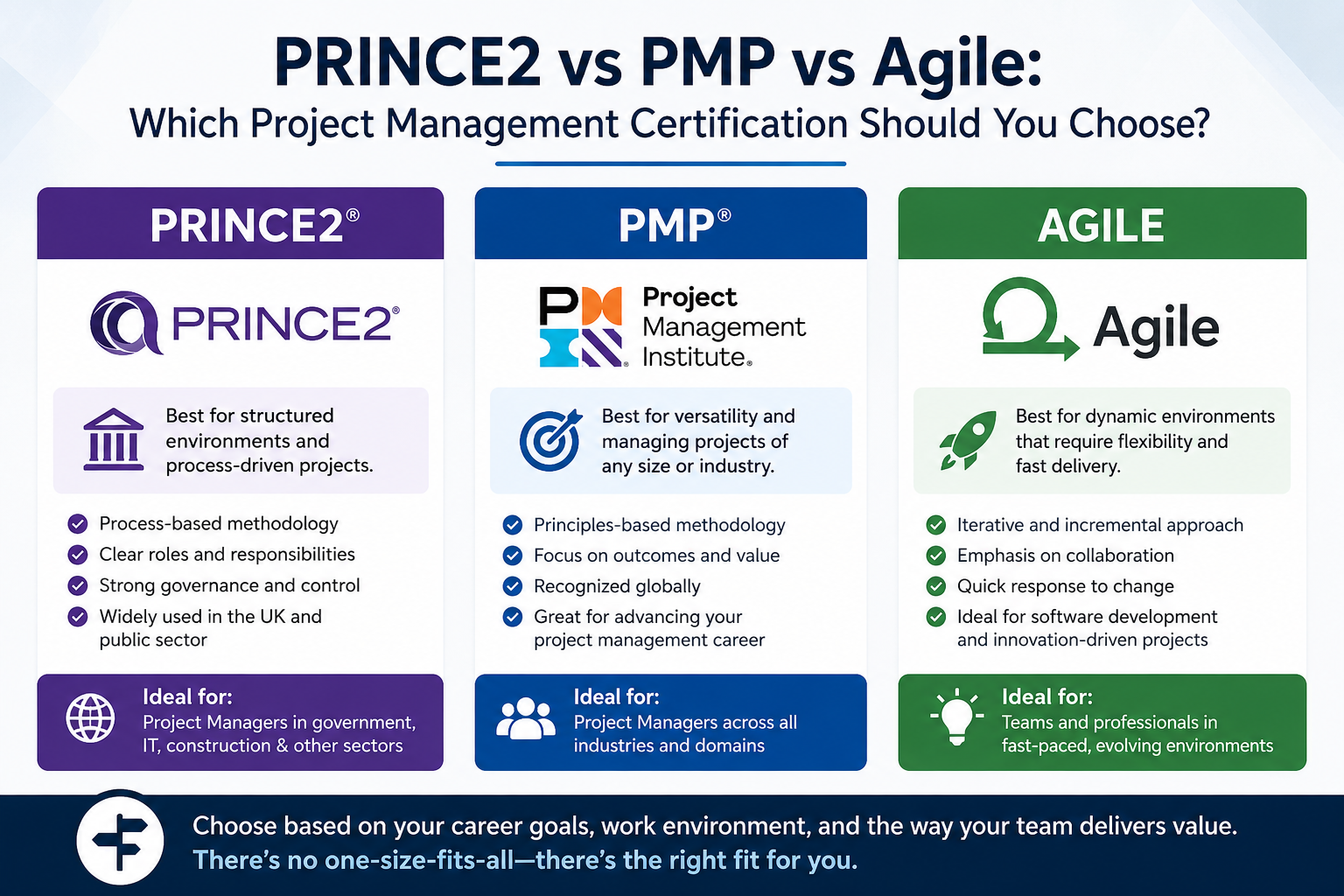
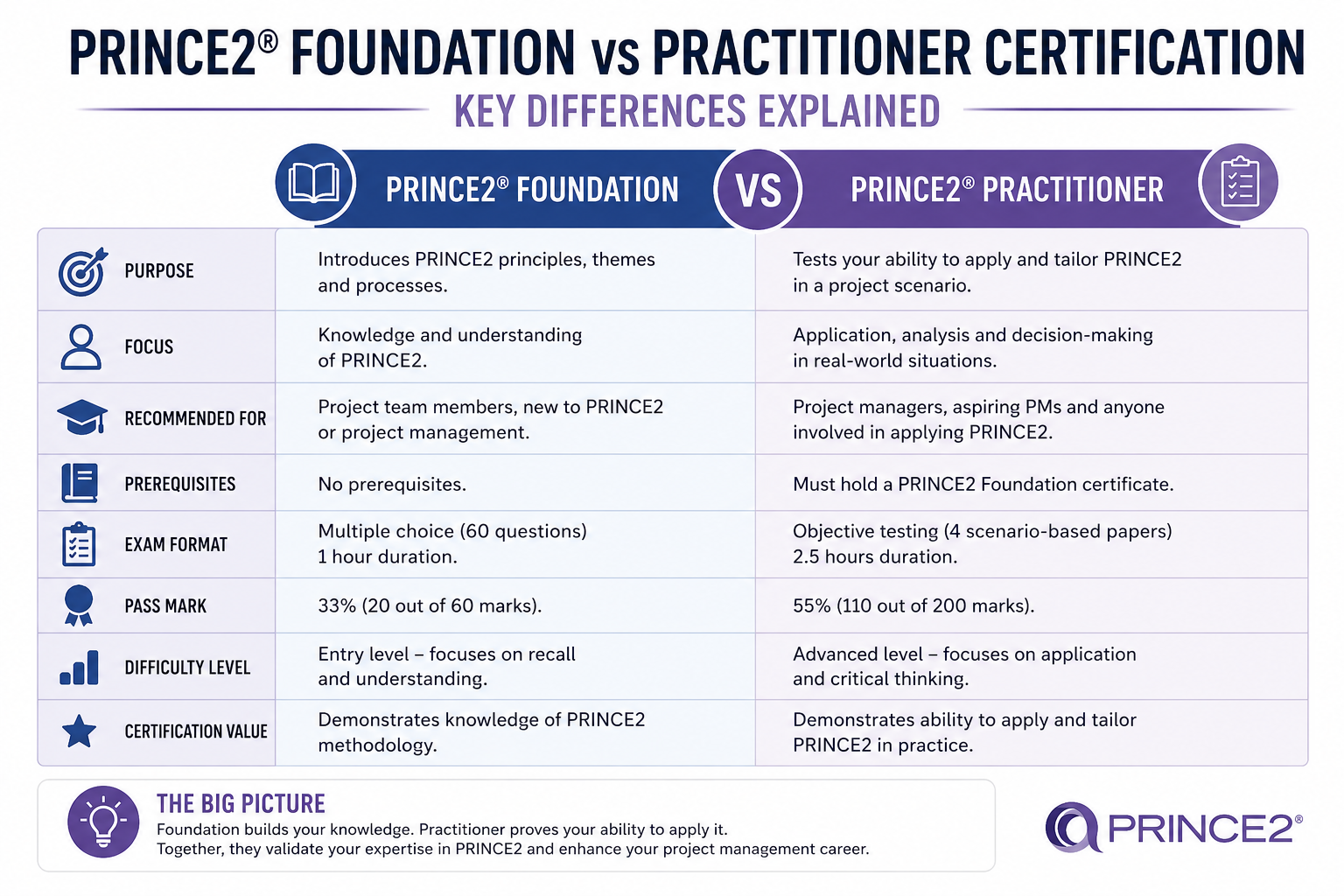


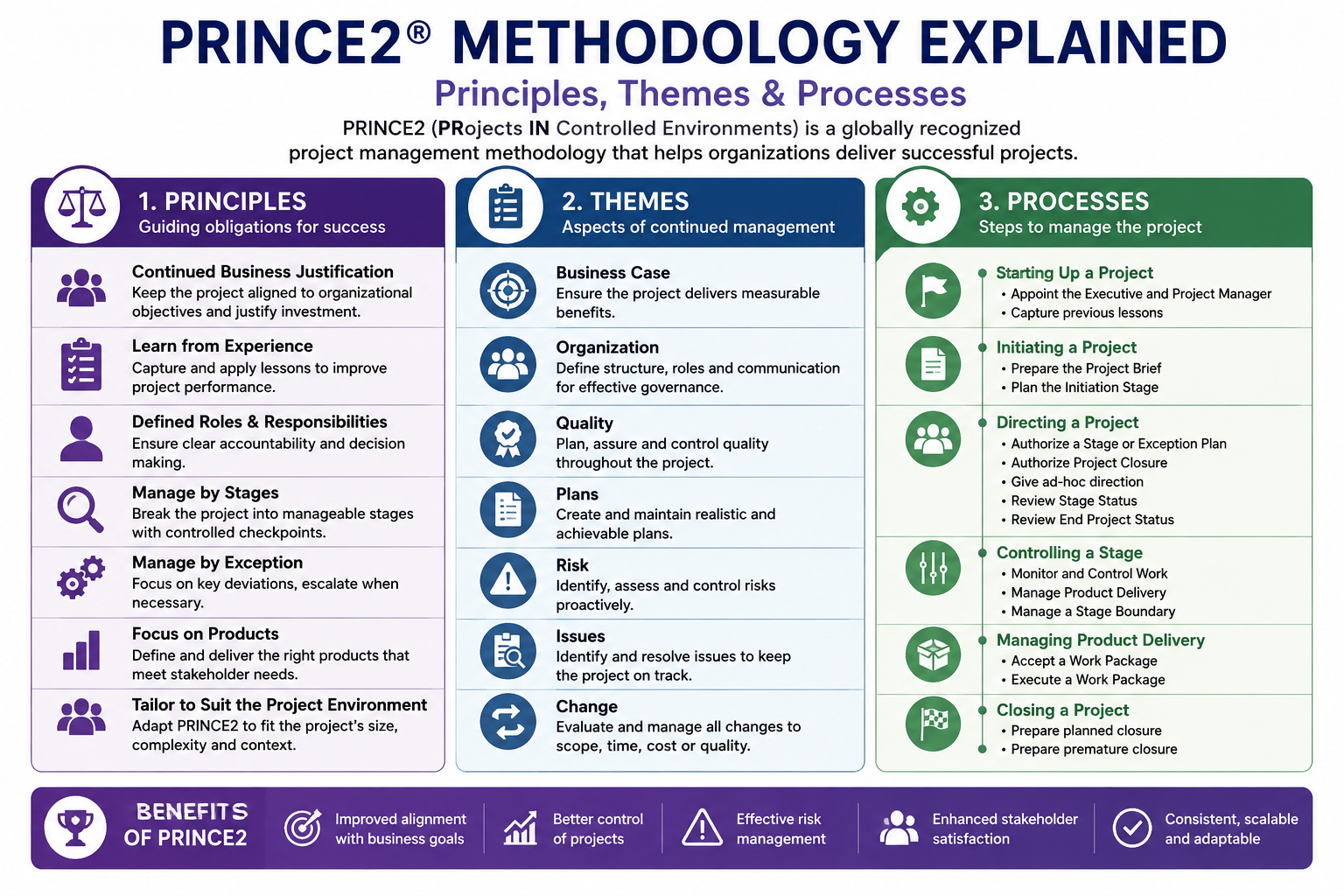

The PRINCE2 methodology stands as one of the most widely recognized project management frameworks in the world, especially in India. It equips project managers with the tools they need to deliver successful projects by emphasizing structure, organization, and control. In this comprehensive guide, we will delve deep into the PRINCE2 methodology, breaking down its core principles, themes, and processes to help you understand the framework better.
Understanding PRINCE2 Methodology
PRINCE2, which stands for PRojects IN Controlled Environments, is a structured project management method that provides a clear blueprint for managing projects effectively. Launched in the UK in the 1980s, it has since gained global recognition, especially in sectors where precision and control are paramount.
Why Choose PRINCE2 in India?
In the context of India's rapidly evolving business landscape, adopting the PRINCE2 methodology can offer numerous advantages:
Core Principles of PRINCE2
The foundation of the PRINCE2 methodology lies in its seven guiding principles. These principles ensure that the project is effectively managed and aligned with business objectives.
1. Continued Business Justification
Every project must have a valid reason for its existence. This principle ensures that the project remains viable throughout its lifecycle, adapting as necessary based on changing circumstances.
2. Learn from Experience
PRINCE2 encourages teams to learn from past projects. By documenting lessons learned, teams can avoid repeating mistakes and leverage successful strategies.
3. Defined Roles and Responsibilities
Clear delineation of roles promotes accountability. Each team member should understand their responsibilities and how they contribute to the project’s success.
4. Manage by Stages
Breaking the project into manageable stages allows for focused attention and better control. Each stage must be planned, monitored, and reviewed.
5. Manage by Exception
PRINCE2 allows project managers to focus on exceptions rather than micromanaging every detail. This principle empowers teams to act autonomously as long as they remain within predefined tolerances.
6. Focus on Products
The methodology emphasizes delivering quality products that meet stakeholder needs. This focus ensures that the project delivers real value rather than just completing tasks.
7. Tailor to Suit the Project
PRINCE2 is not a one-size-fits-all approach. It encourages tailoring the methodology to suit specific project environments and requirements.
PRINCE2 Themes: The Building Blocks
The PRINCE2 themes are integral to the methodology, providing guidance on how to approach various aspects of project management. There are seven themes in total:
1. Business Case
This theme outlines the justification for the project. It ensures that the project remains aligned with the organization’s goals and provides a framework for evaluating its success.
2. Organization
The organization theme focuses on the structure of the project team, detailing roles and responsibilities, and ensuring effective communication among stakeholders.
3. Quality
Quality assurance is vital in PRINCE2, ensuring that deliverables meet the required standards and satisfy stakeholder expectations.
4. Plans
The plans theme defines how the project will be delivered, including the resources required, timelines, and activities involved in achieving the project objectives.
5. Risk
Effective risk management is a cornerstone of PRINCE2. This theme involves identifying, assessing, and planning for potential risks that may impact the project.
6. Change
Projects often face changes in scope or requirements. This theme provides guidelines on how to manage changes effectively without derailing the project.
7. Progress
The progress theme involves monitoring the project's advancement against its plans, ensuring that it stays on track and within budget.
PRINCE2 Processes: The Roadmap
The PRINCE2 processes provide a structured approach to managing projects. There are seven processes that guide project managers through the project lifecycle:
1. Starting Up a Project (SU)
This initial process aims to ensure that the project is viable and aligns with business objectives. It involves appointing a project manager and creating the project brief.
2. Initiating a Project (IP)
During this phase, detailed planning occurs. The project team develops the full business case, project plan, and risk management strategy.
3. Directing a Project (DP)
This process involves making key decisions and ensuring the project remains aligned with its objectives. The project board is responsible for governance at this stage.
4. Controlling a Stage (CS)
During each stage of the project, this process focuses on monitoring progress, managing risks, and ensuring the project stays on track.
5. Managing Product Delivery (MP)
This process ensures that the project team delivers the products to the required quality standards and within the agreed timeframe.
6. Managing Stage Boundaries (SB)
At the end of each stage, this process assesses the outcomes and prepares for the next stage, ensuring continued alignment with project goals.
7. Closing a Project (CP)
The final process involves evaluating the project against its objectives, capturing lessons learned, and formally closing the project.
FAQs about PRINCE2 Methodology
1. What is the main advantage of using PRINCE2 methodology?
The main advantage of PRINCE2 is its structured approach, which helps organizations manage projects effectively, control risks, and ensure successful delivery.
2. Is PRINCE2 suitable for all types of projects?
Yes, PRINCE2 is flexible and can be tailored to suit projects of any size and complexity, making it applicable across various industries.
3. How can one become PRINCE2 certified?
To become PRINCE2 certified, individuals must complete a training course and pass the PRINCE2 certification exam offered by accredited training organizations.
4. Can PRINCE2 be integrated with Agile methodologies?
Yes, PRINCE2 can be tailored to work alongside Agile methodologies, allowing organizations to benefit from both approaches.
Conclusion
Understanding the PRINCE2 methodology is crucial for any project manager looking to enhance their skills and deliver successful projects. By grasping the PRINCE2 principles, themes, and processes, you will be better equipped to navigate the complexities of project management. Whether you're working in IT, construction, or any other sector in India, applying PRINCE2 can lead to improved efficiency and project success.
If you're ready to take your project management skills to the next level, consider enrolling in a PRINCE2 certification course today! Join the ranks of successful project managers and make a mark in your industry.