

In the realm of process improvement and quality management, Six Sigma has emerged as a powerful methodology. One of the key features of Six Sigma is its belt system, which signifies the level of expertise and knowledge an individual possesses in Six Sigma practices. Whether you are considering a career in quality management or simply want to enhance your skills, understanding the Six Sigma belt levels is crucial. In this blog, we will delve into the different Six Sigma belt levels, from White Belt to Master Black Belt, and explore the significance of each level for professionals in India.
What is Six Sigma?
Six Sigma is a data-driven approach aimed at improving process quality by identifying and eliminating defects. Originally developed by Motorola in the 1980s, it has since been adopted by various industries worldwide. The methodology focuses on understanding customer needs, reducing variation, and improving overall process performance. Six Sigma uses statistical tools and techniques to streamline processes, enhance quality, and ultimately deliver better products and services.
Understanding Six Sigma Belt Levels
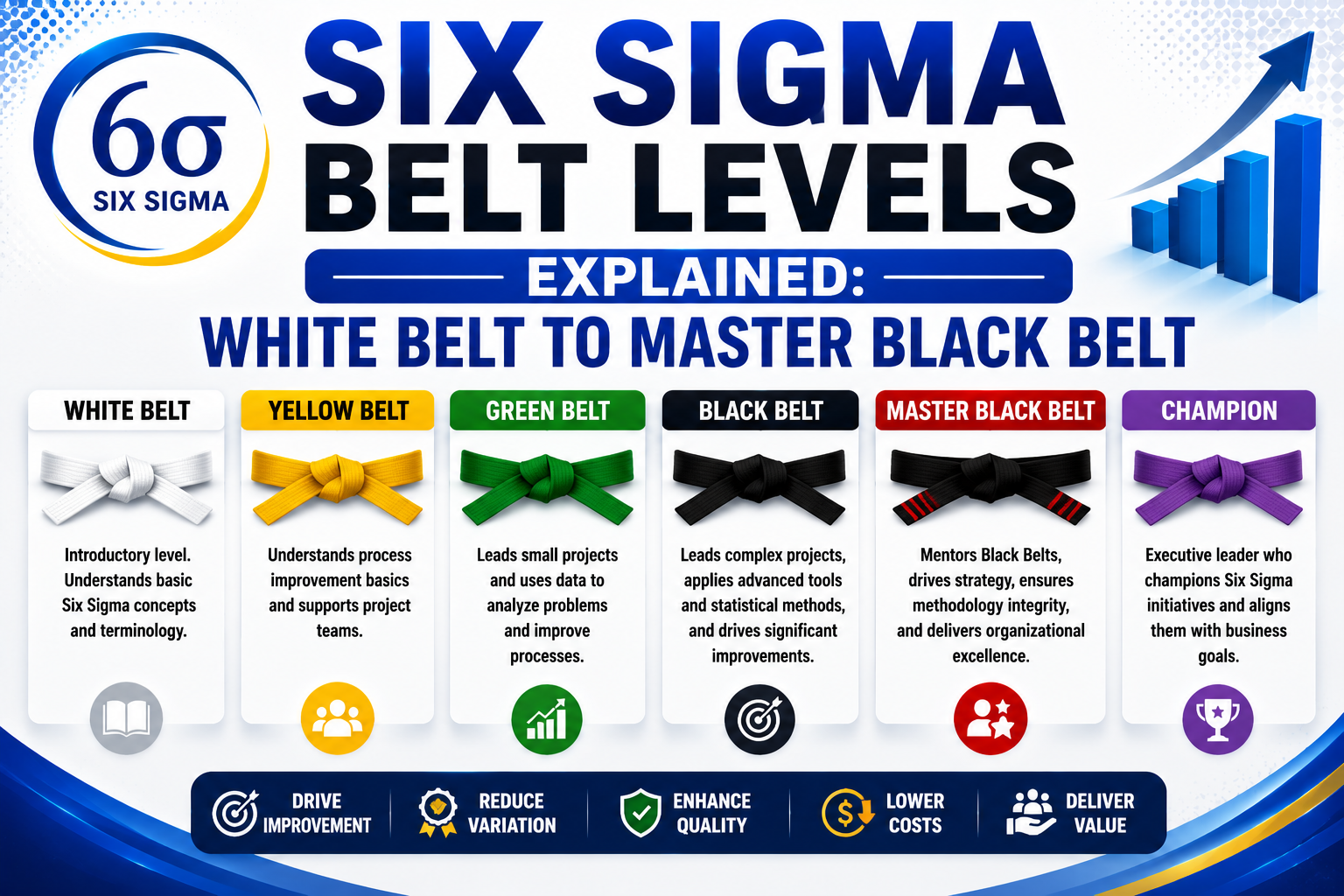
The Six Sigma belt system is akin to martial arts, where practitioners earn belts to represent their level of proficiency. Each belt level signifies a different level of knowledge, responsibility, and role within Six Sigma projects. Let’s explore each Six Sigma belt level in detail:
1. White Belt
The White Belt is the entry-level certification in the Six Sigma hierarchy. Individuals who earn a White Belt have a basic understanding of Six Sigma principles and tools. They typically participate in improvement projects but are not actively involved in leading them.
2. Yellow Belt
The Yellow Belt level builds on the foundation established by the White Belt. Individuals at this level have a deeper understanding of Six Sigma methodologies and can assist in problem-solving and process improvement initiatives.
3. Green Belt
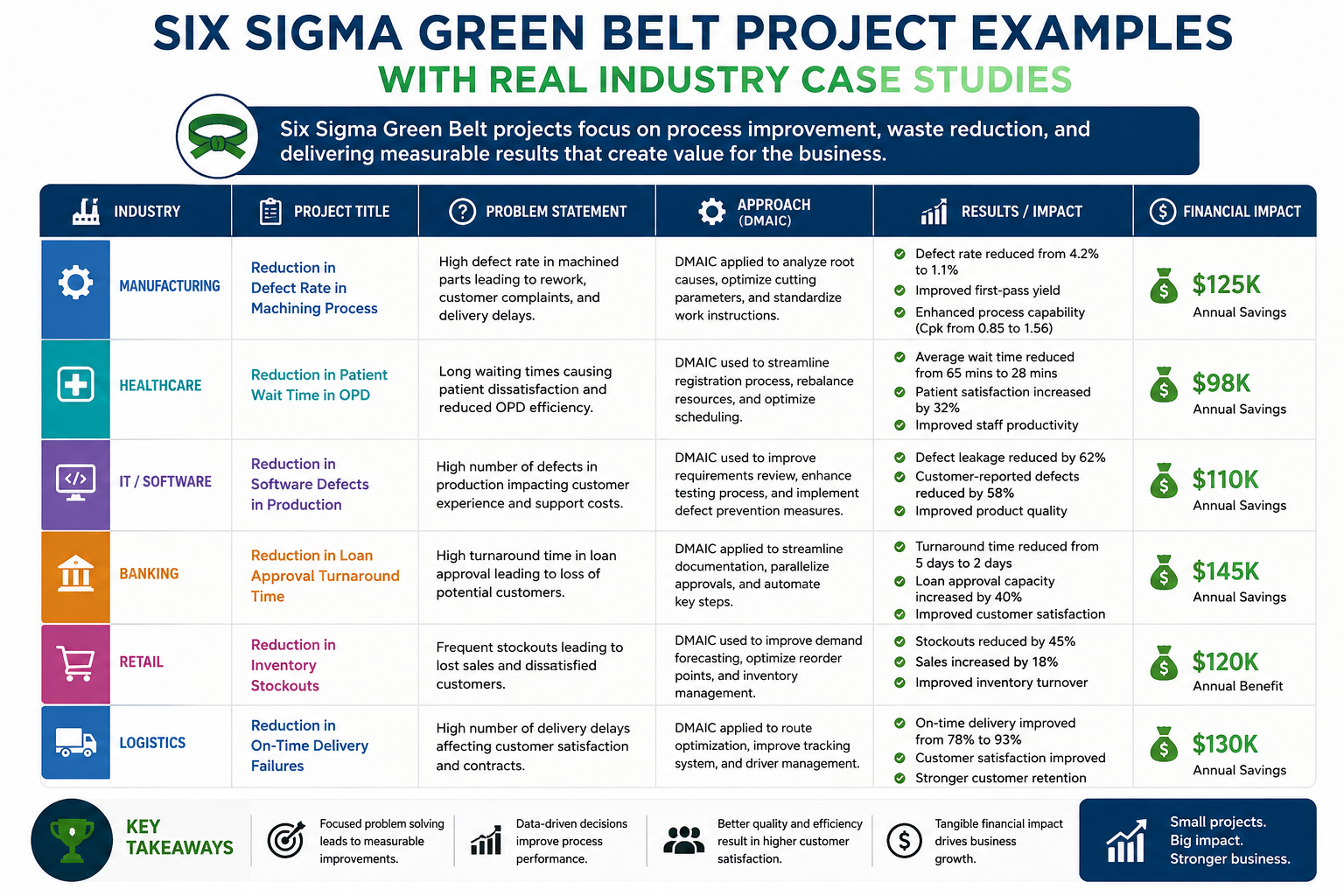
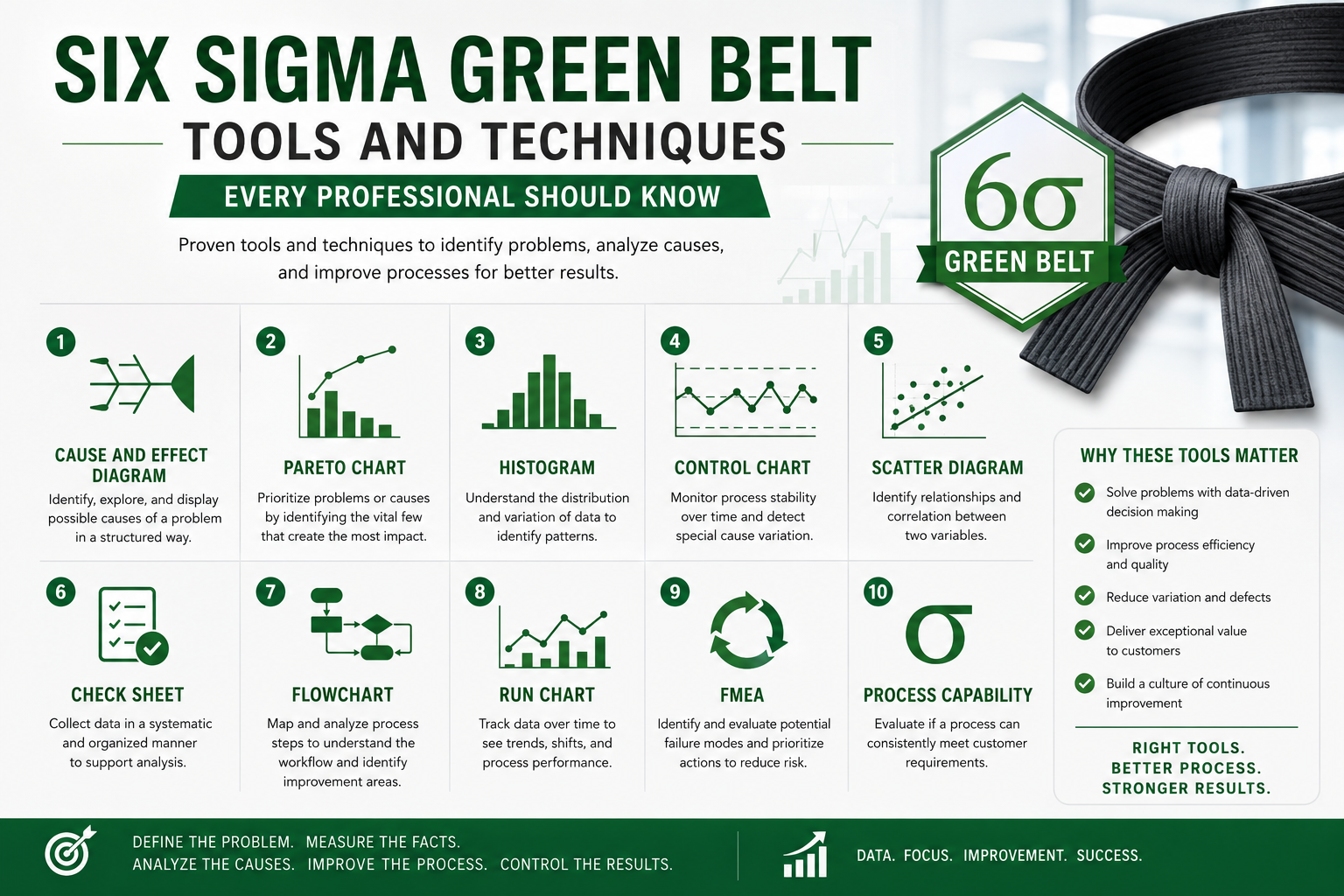
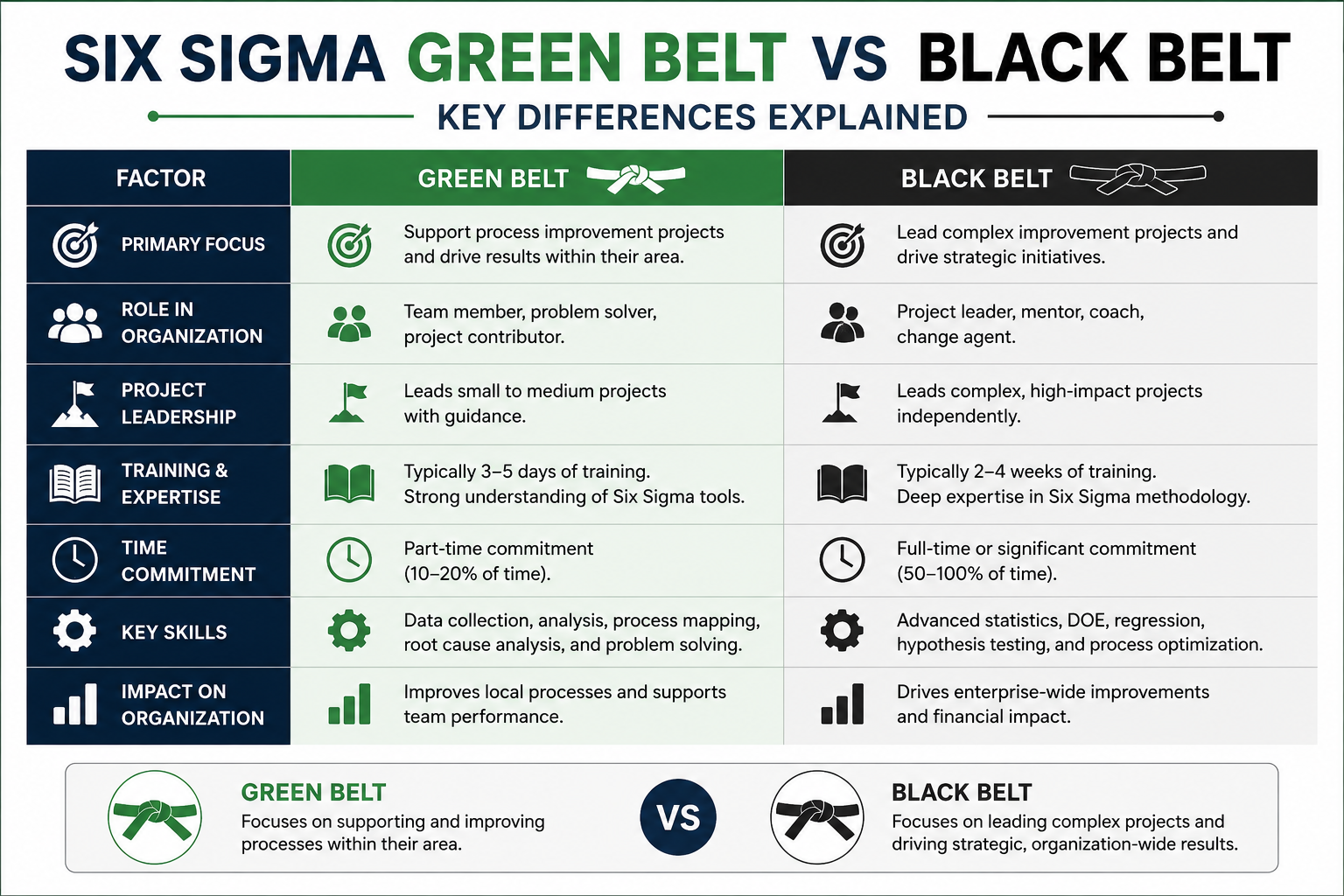
The Six Sigma Green Belt level is a significant step up from Yellow Belt. Green Belts are often involved in leading smaller-scale projects or assisting Black Belts in larger projects. They play a critical role in implementing Six Sigma techniques and driving process improvement.
4. Black Belt
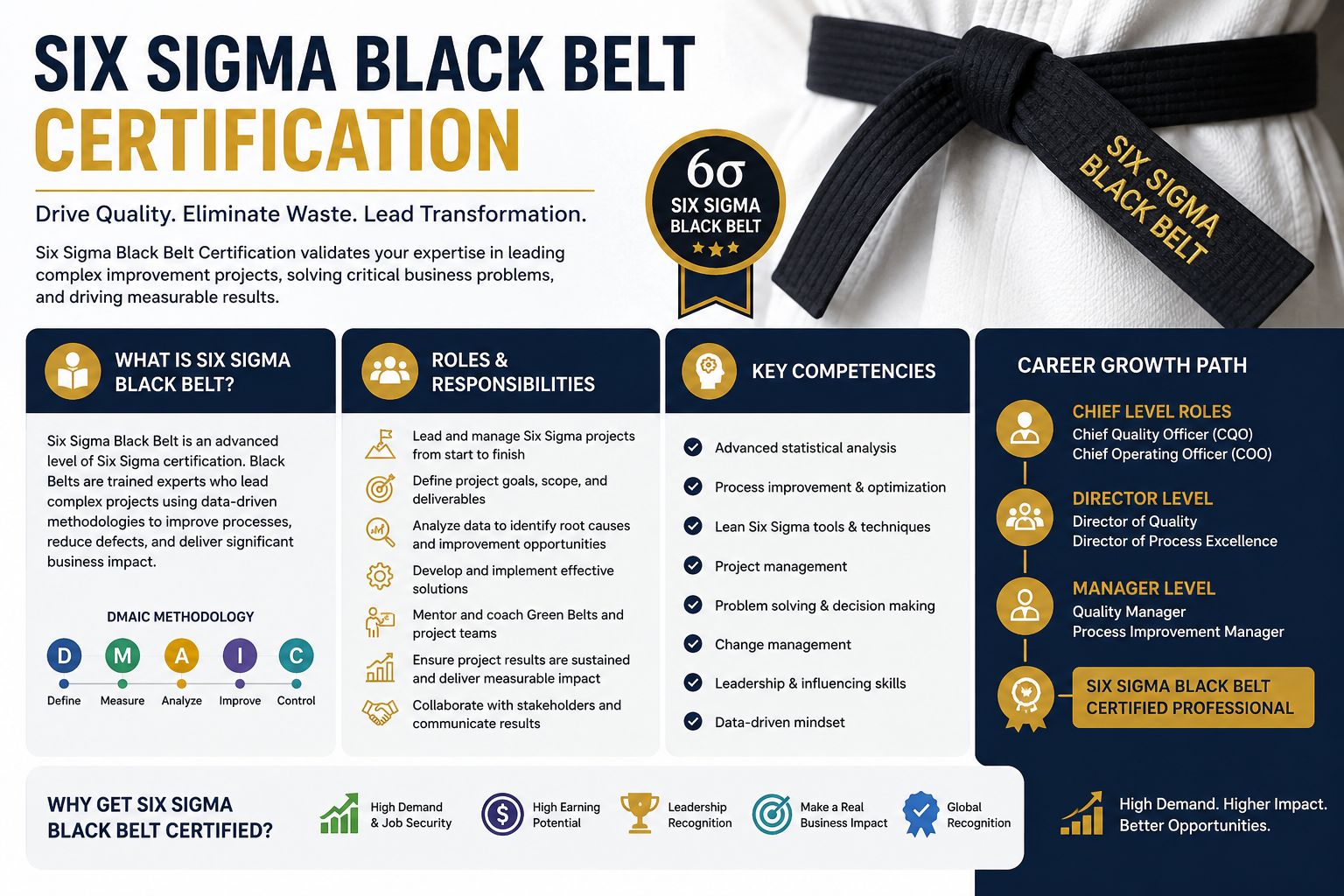
The Black Belt level represents a high level of expertise in Six Sigma methodologies. Black Belts lead complex projects and are responsible for training and mentoring Green Belts and Yellow Belts. They possess a thorough understanding of statistical analysis and problem-solving techniques.
5. Master Black Belt
The Master Black Belt is the highest level of Six Sigma certification. Individuals at this level have extensive knowledge and experience in Six Sigma practices. They are responsible for the strategic implementation of Six Sigma across an organization and provide training and guidance to Black Belts and Green Belts.
Lean Six Sigma: A Comprehensive Approach
Lean Six Sigma combines the principles of Lean manufacturing and Six Sigma to enhance efficiency and reduce waste while maintaining a focus on quality. This approach is gaining traction in India, especially in manufacturing and service sectors.
Individuals interested in Lean Six Sigma can pursue certifications like Lean Six Sigma Green Belt and Lean Six Sigma Black Belt, which signify proficiency in both methodologies.
Lean Six Sigma Green Belt
The Lean Six Sigma Green Belt certification focuses on both Lean principles and Six Sigma methodologies. Professionals with this certification are well-equipped to identify and eliminate waste, streamline processes, and improve quality.
Lean Six Sigma Black Belt
The Lean Six Sigma Black Belt certification is aimed at professionals who lead complex projects that require both Lean and Six Sigma methodologies. Black Belts are responsible for training team members and driving organizational change.
Conclusion
Understanding the Six Sigma belt levels is essential for anyone looking to enhance their career in quality management. From the foundational knowledge of a White Belt to the strategic expertise of a Master Black Belt, each level plays a crucial role in driving process improvement and achieving organizational excellence. Whether you choose to pursue Six Sigma or Lean Six Sigma certifications, mastering these methodologies can lead to significant career advancement and opportunities in various industries across India.
FAQs
1. What is the difference between Six Sigma and Lean Six Sigma?
Six Sigma focuses primarily on reducing defects and improving quality through statistical analysis, while Lean Six Sigma combines these principles with Lean manufacturing techniques aimed at eliminating waste and enhancing efficiency.
2. How long does it take to earn a Six Sigma certification?
The duration to earn a Six Sigma certification varies based on the belt level. White and Yellow Belt certifications may take a few days, while Green Belt and Black Belt certifications can take several weeks to months, depending on the training program.
3. Can I pursue Six Sigma certifications online?
Yes, many institutes offer online Six Sigma certification courses, allowing you to learn at your own pace and convenience.
4. Is Six Sigma certification worth it in India?
Yes, Six Sigma certification is highly regarded in India, particularly in manufacturing and service sectors, where quality improvement is essential. It can significantly enhance your career prospects and increase your earning potential.
5. What are the career opportunities after obtaining a Six Sigma certification?
After earning a Six Sigma certification, professionals can pursue roles such as Quality Manager, Process Improvement Specialist, Operations Manager, and even higher positions in leadership and consultancy.
Call to Action
If you’re ready to enhance your skills and embark on a journey to excellence in quality management, consider enrolling in a Six Sigma certification program today! Explore various options available for Six Sigma and Lean Six Sigma certifications, and take the first step toward a rewarding career.