
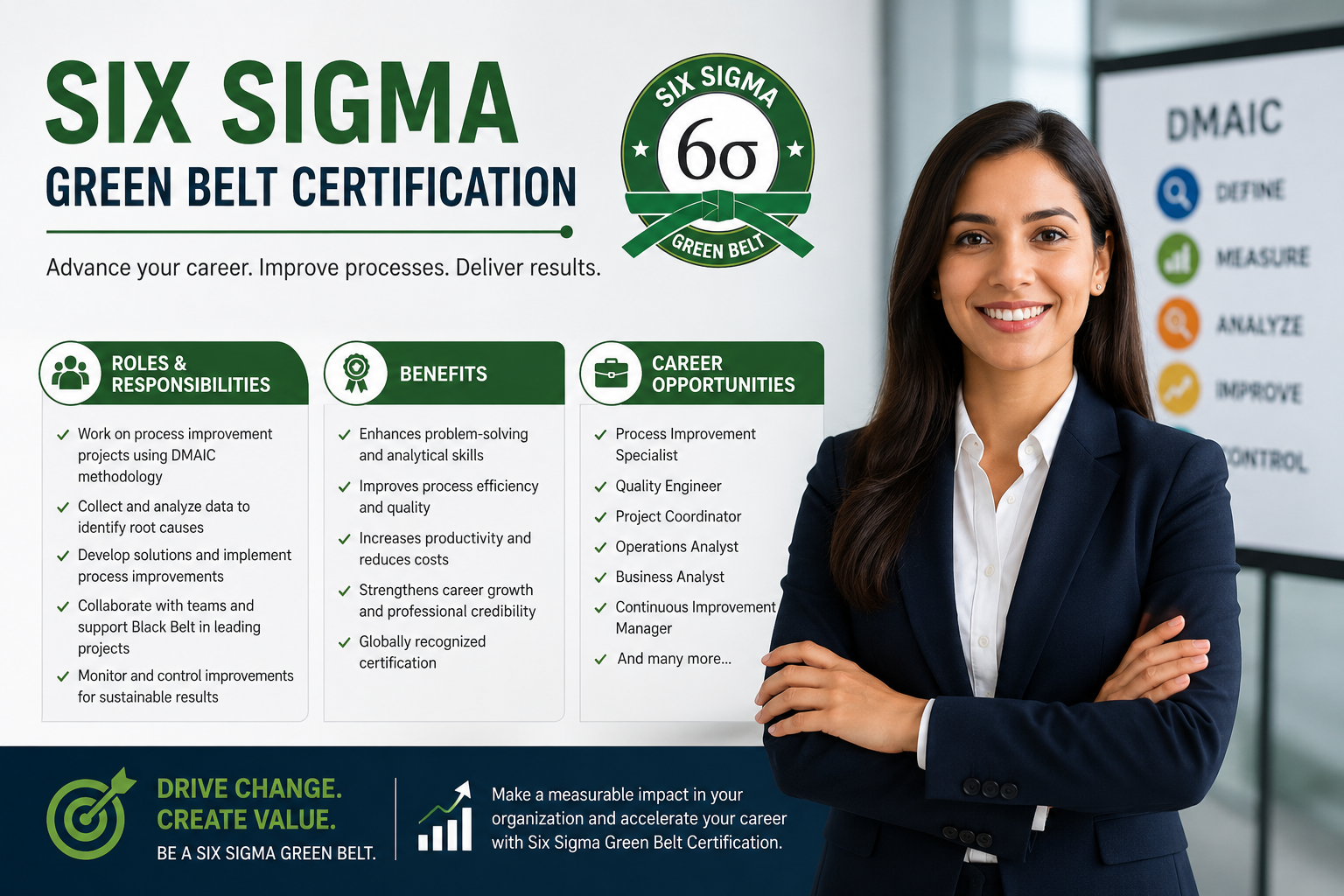
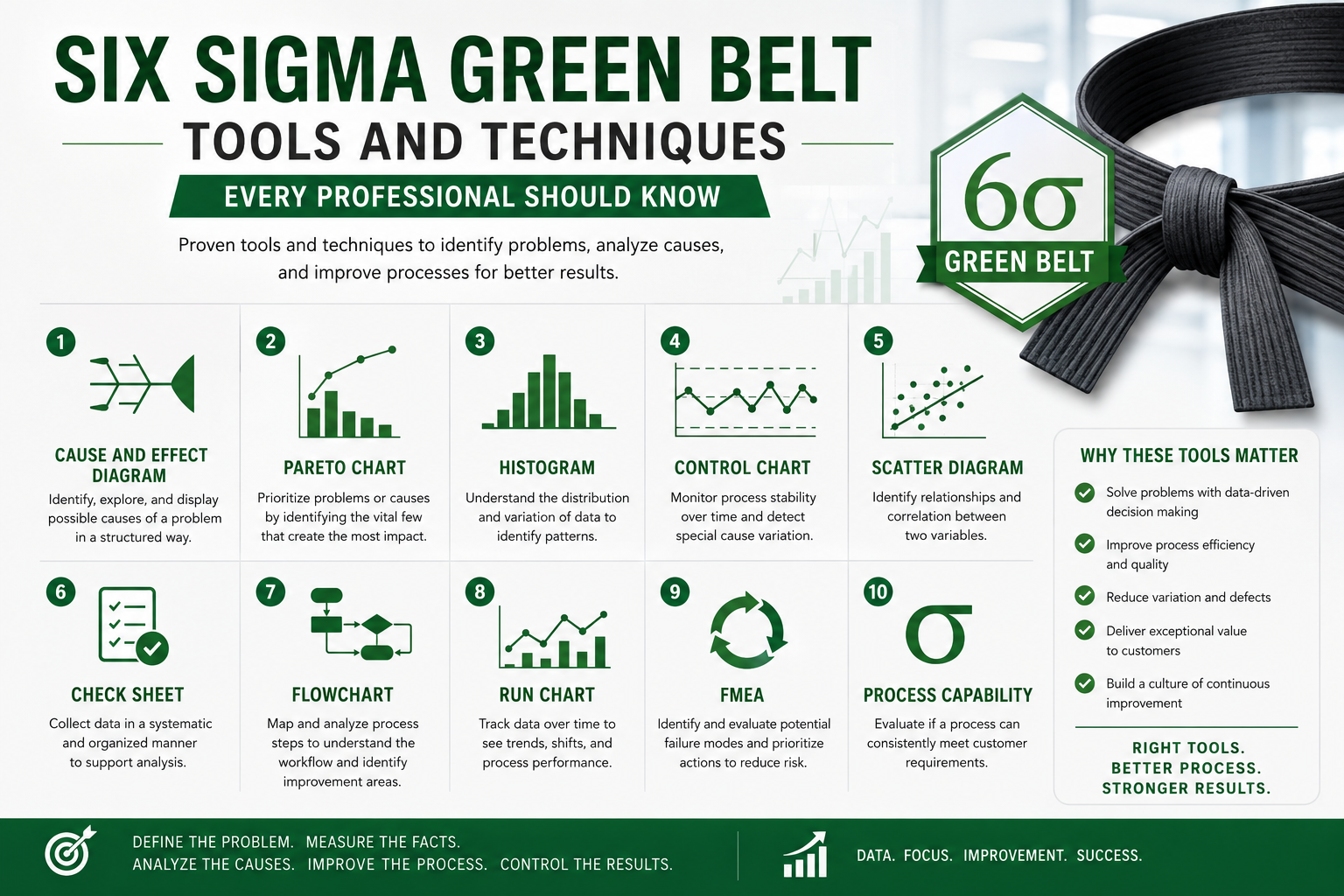

In the fast-paced world of business, efficiency and quality are paramount. For professionals striving to improve processes and increase productivity, the Six Sigma methodology offers a roadmap to excellence. Among its various levels, the Green Belt certification is particularly popular, empowering individuals with the tools and techniques necessary to drive improvement initiatives within their organizations. In this blog, we will explore essential Six Sigma Green Belt tools, the DMAIC methodology, and how these techniques can be effectively utilized in the Indian business landscape.
Understanding Six Sigma and the Green Belt Role
Six Sigma is a data-driven approach aimed at eliminating defects and improving processes. It emphasizes quality management through statistical methods, making it a valuable framework for any professional. The Green Belt certification represents a foundational level of expertise in Six Sigma, equipping individuals with the skills to lead projects and support Black Belts in more complex initiatives.
The DMAIC Methodology: A Core Component
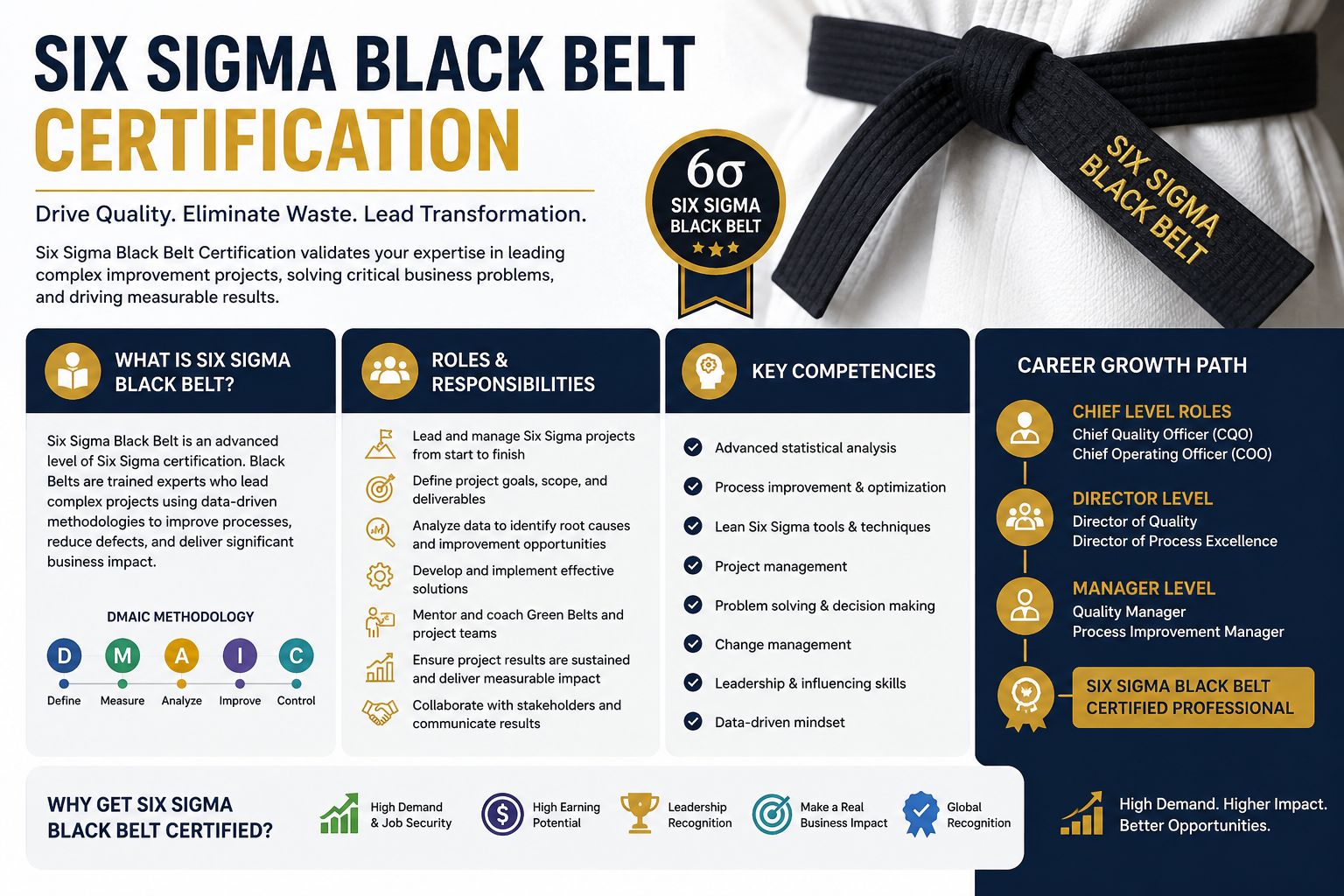
At the heart of Six Sigma lies the DMAIC methodology, a structured approach to problem-solving. DMAIC stands for Define, Measure, Analyze, Improve, and Control. Understanding this framework is crucial for any Green Belt professional as it serves as the backbone for process improvement projects.
1. Define
In the Define phase, the focus is on identifying the problem and setting project goals. This step involves gathering a team and brainstorming the project scope. Key tools used in this phase include:
2. Measure
The Measure phase involves quantifying the current process performance. This is where data collection and analysis come into play. Essential tools include:
3. Analyze
In the Analyze phase, the data collected is analyzed to identify the root causes of defects or issues. Key techniques include:
4. Improve
The Improve phase focuses on developing solutions to address the root causes identified in the analysis phase. Tools utilized include:
5. Control
The final phase, Control, ensures that the improvements made are maintained over time. Important tools for this phase include:
Additional Six Sigma Green Belt Tools
Beyond the DMAIC methodology, several other Six Sigma Green Belt tools and techniques can enhance project effectiveness:
1. Pareto Analysis
The Pareto Principle, or the 80/20 rule, suggests that 80% of problems come from 20% of causes. By using this analysis, Green Belts can prioritize which issues to tackle first based on their impact.
2. SIPOC Diagram
SIPOC stands for Suppliers, Inputs, Process, Outputs, and Customers. This high-level visual tool provides a comprehensive overview of the process and its key components, facilitating better understanding and communication among team members.
3. Value Stream Mapping
This tool helps to visualize the flow of materials and information in a process, identifying waste and opportunities for improvement. It’s particularly useful in lean environments.
4. Root Cause Analysis (RCA)
RCA is a systematic approach to identifying the root causes of problems. Techniques such as the 5 Whys and the Fishbone Diagram can be integrated into this analysis.
Implementing Six Sigma Tools in the Indian Context
As businesses in India increasingly adopt Six Sigma principles, understanding and implementing these tools effectively is vital. Here are a few tips for professionals looking to leverage Six Sigma Green Belt tools in the Indian market:
FAQs About Six Sigma Green Belt Tools
1. What is the difference between Six Sigma Green Belt and Black Belt?
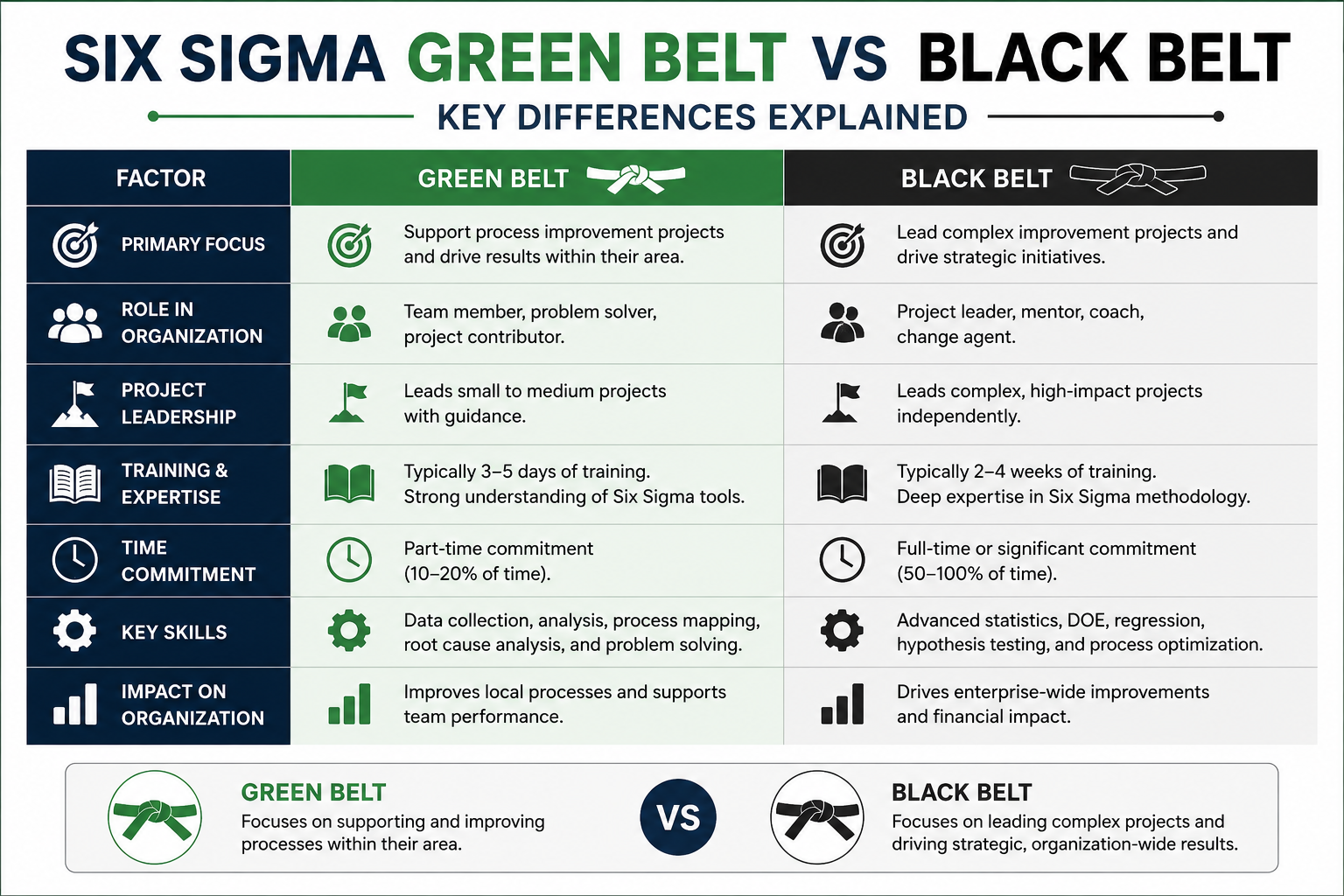
Green Belts typically work on projects within their own departments and assist Black Belts, who lead larger, more complex projects across the organization. Green Belts have a foundational understanding of Six Sigma tools, while Black Belts possess advanced expertise.
2. How long does it take to get Six Sigma Green Belt certified?
The duration for obtaining a Six Sigma Green Belt certification varies, but it usually takes around 2 to 3 months, depending on the training program and the individual’s commitment.
3. Are Six Sigma tools applicable to all industries?
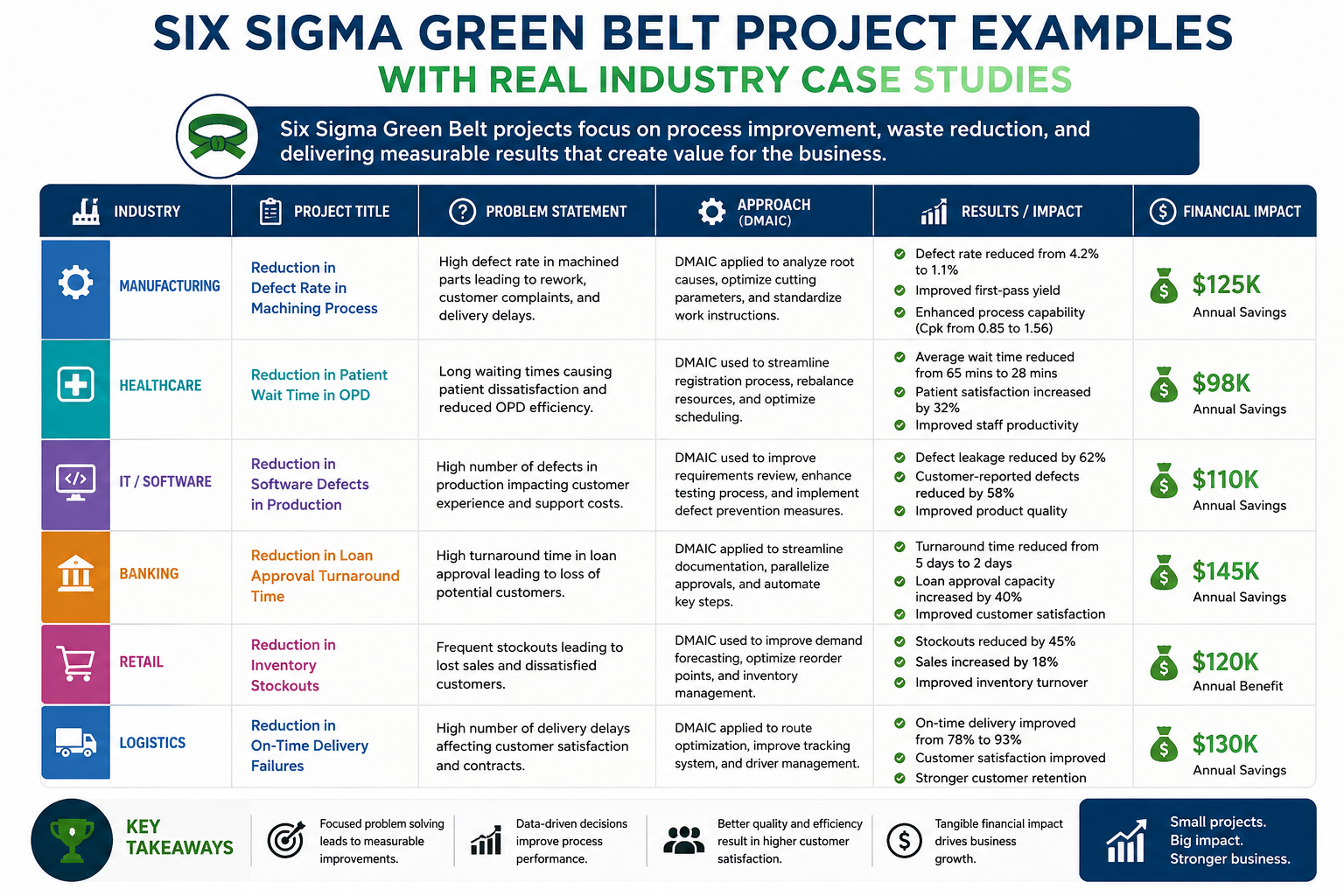
Yes, Six Sigma tools are versatile and can be applied across various industries, including manufacturing, healthcare, finance, and IT, to improve processes and enhance quality.
4. Can Six Sigma tools be used without certification?
While certification provides a comprehensive understanding of Six Sigma principles and tools, professionals can still use basic Six Sigma tools for process improvement, albeit with limited effectiveness.
Conclusion
Mastering Six Sigma Green Belt tools and techniques, particularly the DMAIC methodology, is essential for professionals aiming to enhance process efficiency and quality. By leveraging these strategies, professionals in India can contribute to their organizations’ success and drive a culture of continuous improvement. Are you ready to take your skills to the next level? Invest in your Six Sigma Green Belt certification today and transform your career!
Call to Action
If you are looking to get certified or want to learn more about Six Sigma Green Belt tools and techniques, check out our comprehensive training programs tailored for Indian professionals. Join us now and start your journey towards excellence!