


In today’s fast-paced business environment, organizations are constantly seeking ways to improve efficiency and reduce waste. One of the most effective methodologies for achieving these goals is Six Sigma. If you’re contemplating a career in quality management or looking to enhance your organization’s performance, you’ve likely encountered the terms "Green Belt" and "Black Belt." But what do these terms mean, and how do they differ? In this comprehensive guide, we’ll explore the key differences between Green Belt and Black Belt certifications in Six Sigma, helping you make an informed decision on which path to pursue.
Understanding Six Sigma Certifications
Six Sigma is a data-driven approach aimed at eliminating defects and improving processes. The methodology is divided into several levels of certification, primarily categorized into Green Belt and Black Belt. Both certifications have unique roles, responsibilities, and levels of expertise. Let’s delve deeper into what distinguishes them.
What is a Six Sigma Green Belt?
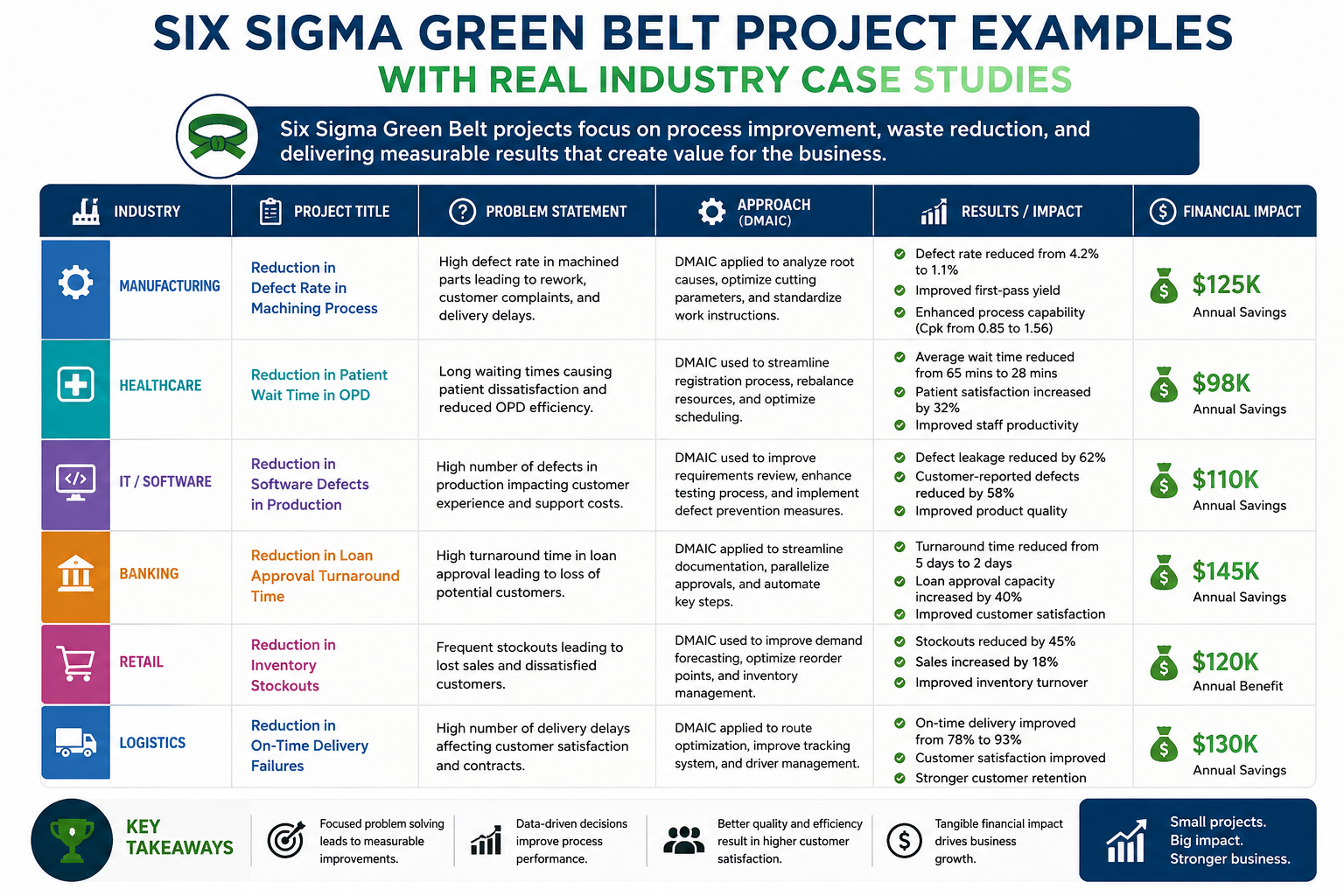
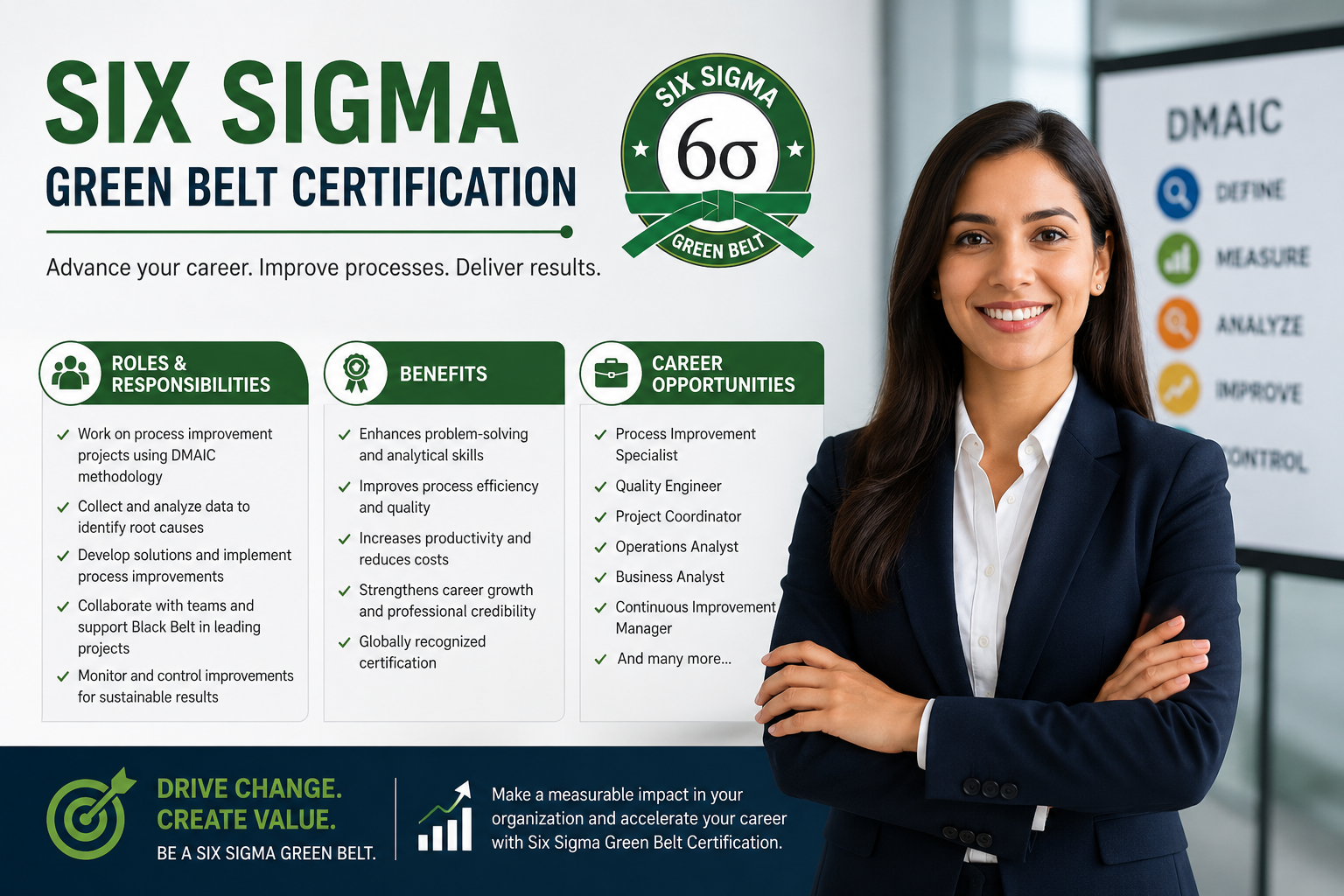
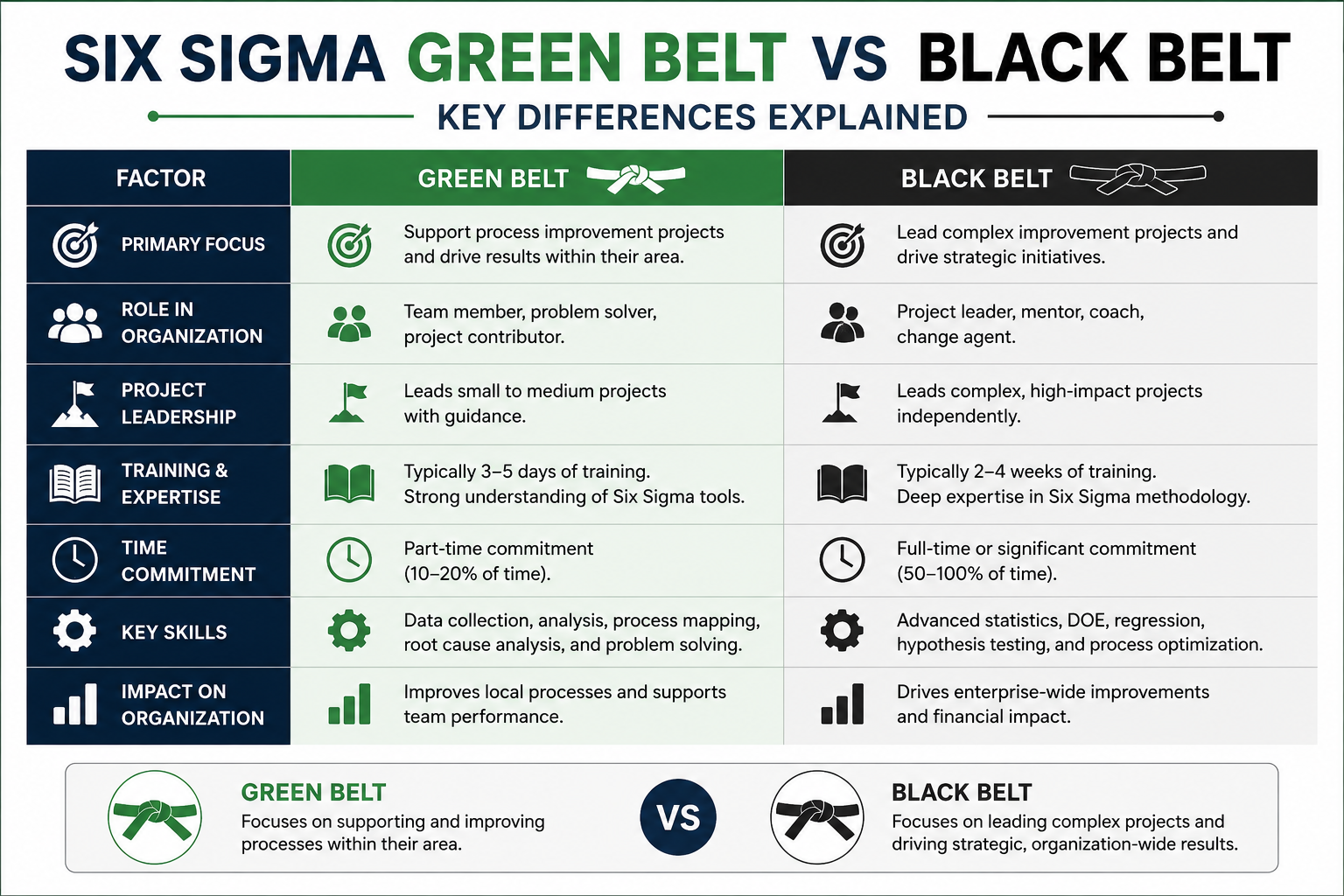
A Six Sigma Green Belt is a professional who has a solid understanding of Six Sigma principles and tools. They usually work under the supervision of Black Belts and are often involved in project teams that focus on process improvement. Green Belts typically devote part of their time to Six Sigma projects while also performing their regular job functions.
Key Responsibilities of a Green Belt
What is a Six Sigma Black Belt?
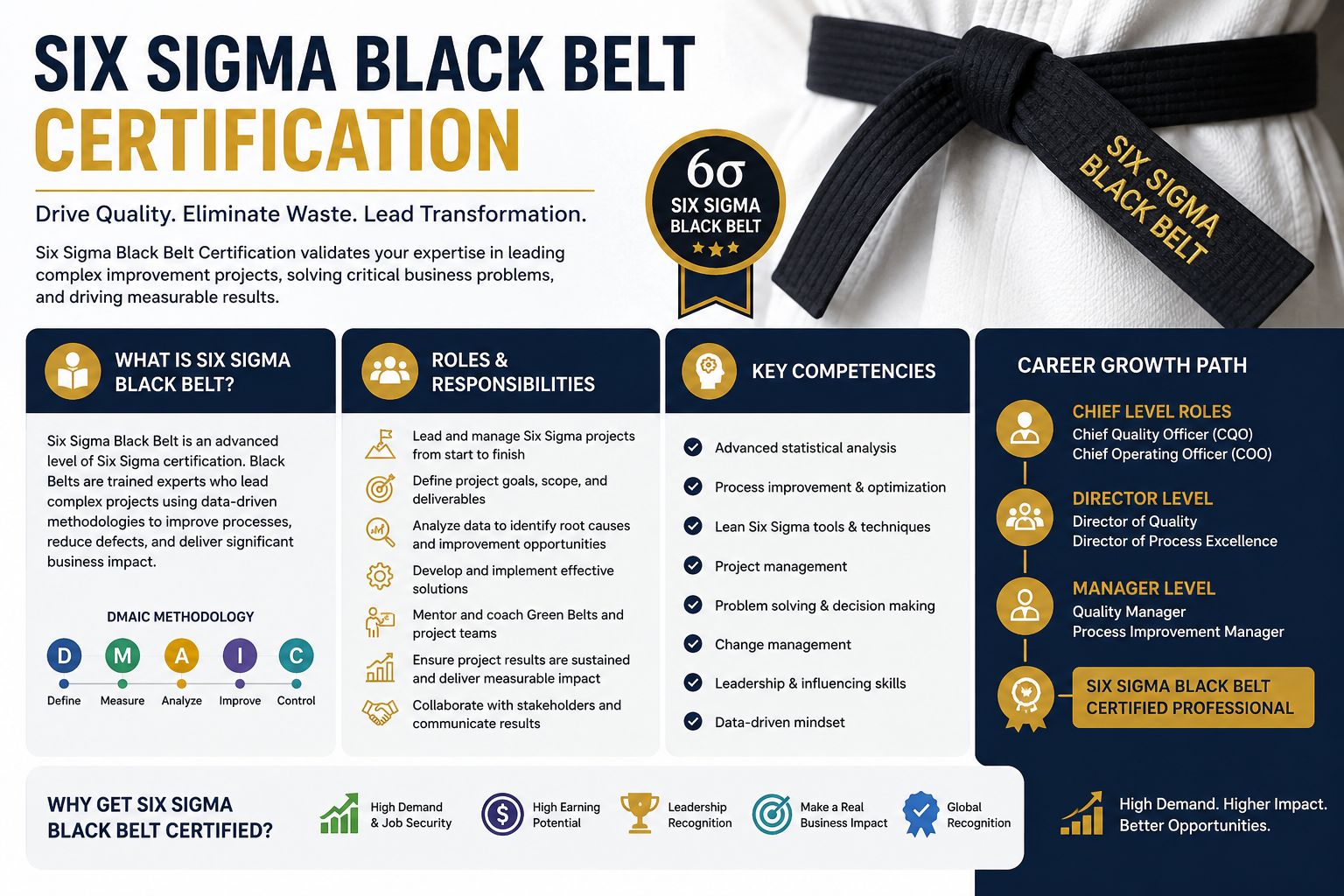
A Six Sigma Black Belt is an expert in the Six Sigma methodology and is responsible for leading complex projects. Black Belts have a deeper understanding of statistical analysis and are equipped to mentor Green Belts and other team members. They play a crucial role in driving process improvements and fostering a culture of quality within an organization.
Key Responsibilities of a Black Belt
Green Belt vs Black Belt: Key Differences
1. Level of Expertise
The primary difference between Green Belts and Black Belts lies in their level of expertise. While Green Belts have a foundational knowledge of Six Sigma principles, Black Belts possess advanced skills and are more proficient in data analysis and project management.
2. Scope of Responsibilities
Green Belts typically work on smaller projects and assist Black Belts, while Black Belts lead larger, more complex projects. This difference in scope significantly impacts the responsibilities each role entails.
3. Time Commitment
Green Belts often balance their Six Sigma responsibilities with their regular job duties. In contrast, Black Belts usually dedicate themselves full-time to Six Sigma projects, making it their primary focus.
4. Certification Requirements
The certification process for Green Belts generally requires less training and fewer hours of project experience compared to Black Belts. While Green Belt training might consist of 30 to 40 hours, Black Belt training can exceed 100 hours.
5. Potential Career Impact
Achieving a Black Belt certification can lead to higher-level positions within an organization and often results in increased salaries and greater career advancement opportunities compared to Green Belts.
6. Training and Tools
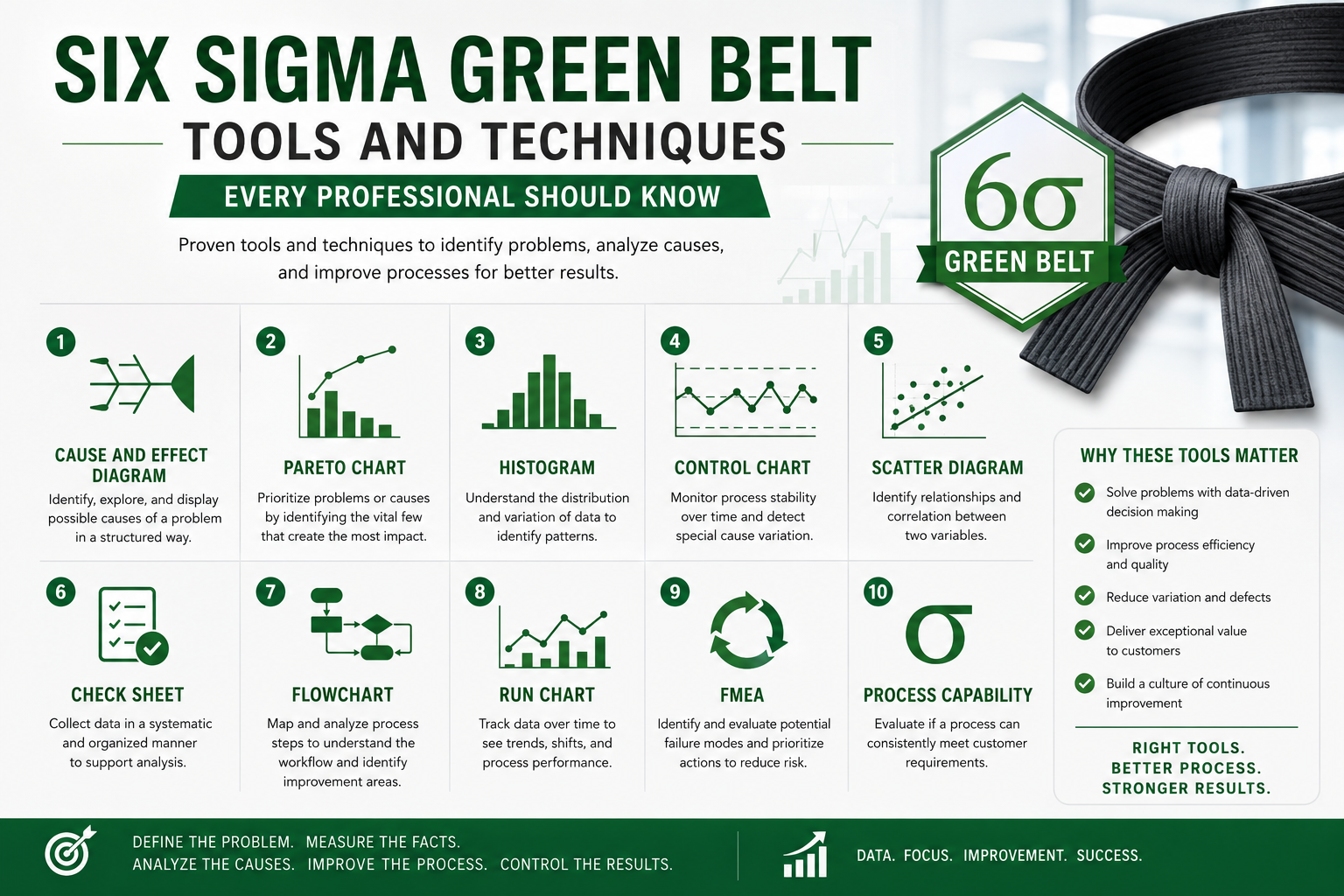
Green Belt training covers fundamental Six Sigma tools such as DMAIC (Define, Measure, Analyze, Improve, Control) and basic statistical methods. Black Belt training, however, delves into more complex statistical techniques, process management, and leadership skills.
Which Certification Should You Choose?
Deciding between Green Belt and Black Belt certification largely depends on your career goals and current professional standing. If you're new to Six Sigma or looking to enhance your skills while maintaining your current job, a Green Belt certification is an excellent starting point. On the other hand, if you’re aiming for a leadership role in quality management and are ready to commit to a more rigorous training program, pursuing a Black Belt certification would be beneficial.
Benefits of Six Sigma Certifications
Regardless of which certification you choose, obtaining a Six Sigma certification can significantly enhance your career prospects. Here are some of the key benefits:
FAQs
1. What is the duration of Six Sigma Green Belt and Black Belt training?
Green Belt training generally lasts 30 to 40 hours, while Black Belt training can take 100 hours or more, depending on the training provider.
2. Can I pursue a Black Belt certification directly without a Green Belt?
Yes, some certification bodies allow candidates to directly pursue a Black Belt certification if they have relevant experience and knowledge in Six Sigma methodologies.
3. How long is a Six Sigma certification valid?
Six Sigma certifications do not expire, but it’s advisable to stay updated with the latest tools and techniques through continuous education and training.
4. Which industries value Six Sigma certifications the most?
Six Sigma certifications are highly valued across various industries, including manufacturing, healthcare, finance, and IT, among others.
Conclusion
In conclusion, both Green Belt and Black Belt certifications in Six Sigma play vital roles in an organization's pursuit of quality and efficiency. Understanding the key differences between these two certifications can help you determine the right path for your career. Whether you opt for the Green Belt to gain foundational knowledge or aim for the Black Belt to lead significant change, both certifications will enhance your skill set and career potential.
If you’re ready to take your first step towards Six Sigma certification, consider enrolling in a reputable training program today. Start your journey towards becoming a leader in quality management!
Call to Action: Interested in Six Sigma training? Contact us today to find out more about our Green Belt and Black Belt certification programs tailored for the Indian audience!