

In today’s competitive business landscape, organizations are constantly seeking ways to improve efficiency, reduce costs, and enhance customer satisfaction. One of the most effective methodologies to achieve these goals is Six Sigma. Among the various levels of Six Sigma certification, the Six Sigma Green Belt Certification holds significant importance. This certification empowers professionals to drive process improvement initiatives and contribute to an organization's overall success. In this blog, we will explore what Six Sigma Green Belt Certification is, its roles, benefits, and the career opportunities it presents, especially for the Indian audience.
What is Six Sigma Green Belt Certification?
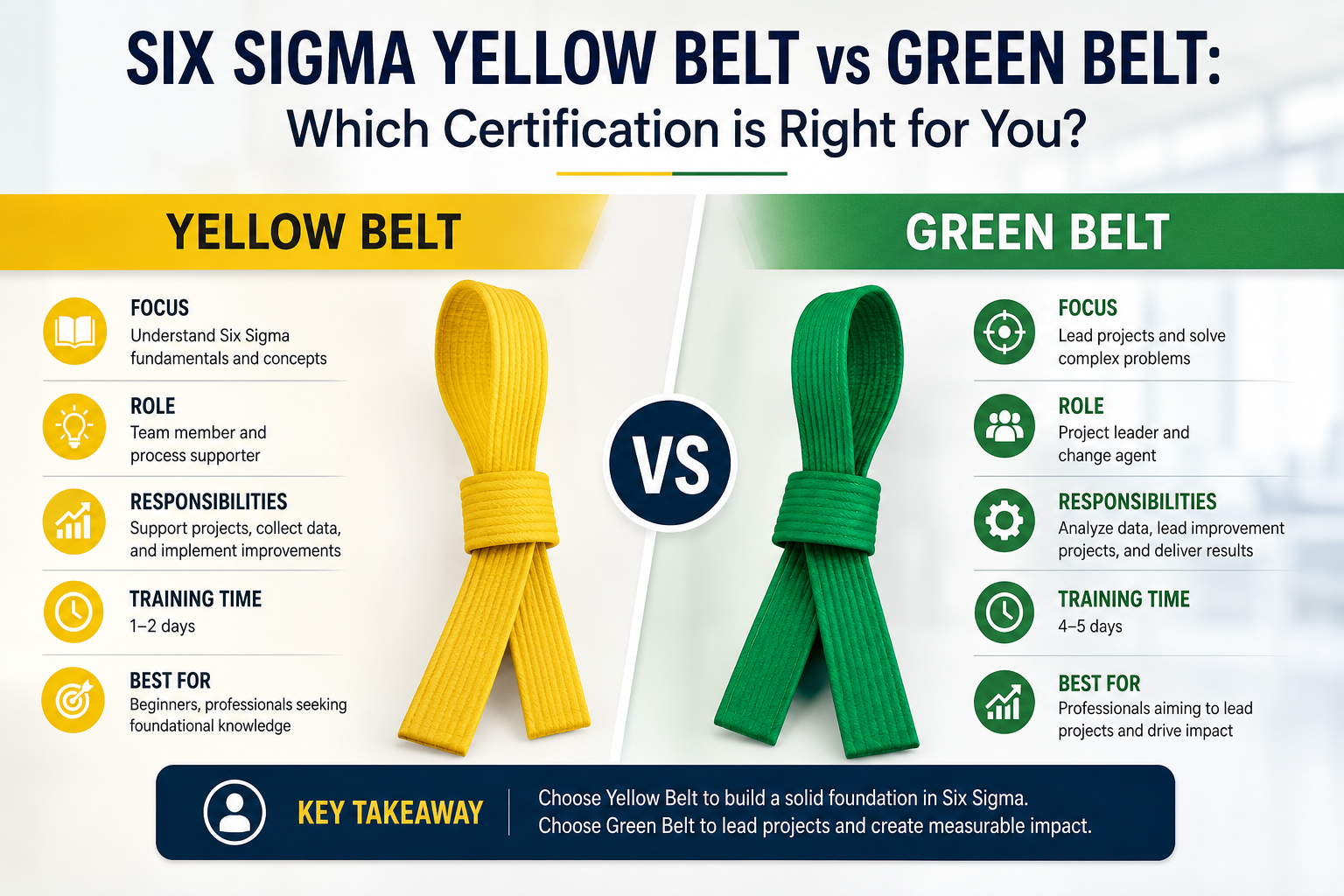
The Six Sigma Green Belt Certification is a professional credential that signifies an individual's knowledge and proficiency in the Six Sigma methodology. This certification is designed for professionals who are involved in process improvement projects and are responsible for managing small-scale projects or assisting Black Belts in larger projects. Green Belts use statistical tools and techniques to analyze data, identify inefficiencies, and implement solutions that enhance operational performance.
Understanding Six Sigma and Lean Six Sigma
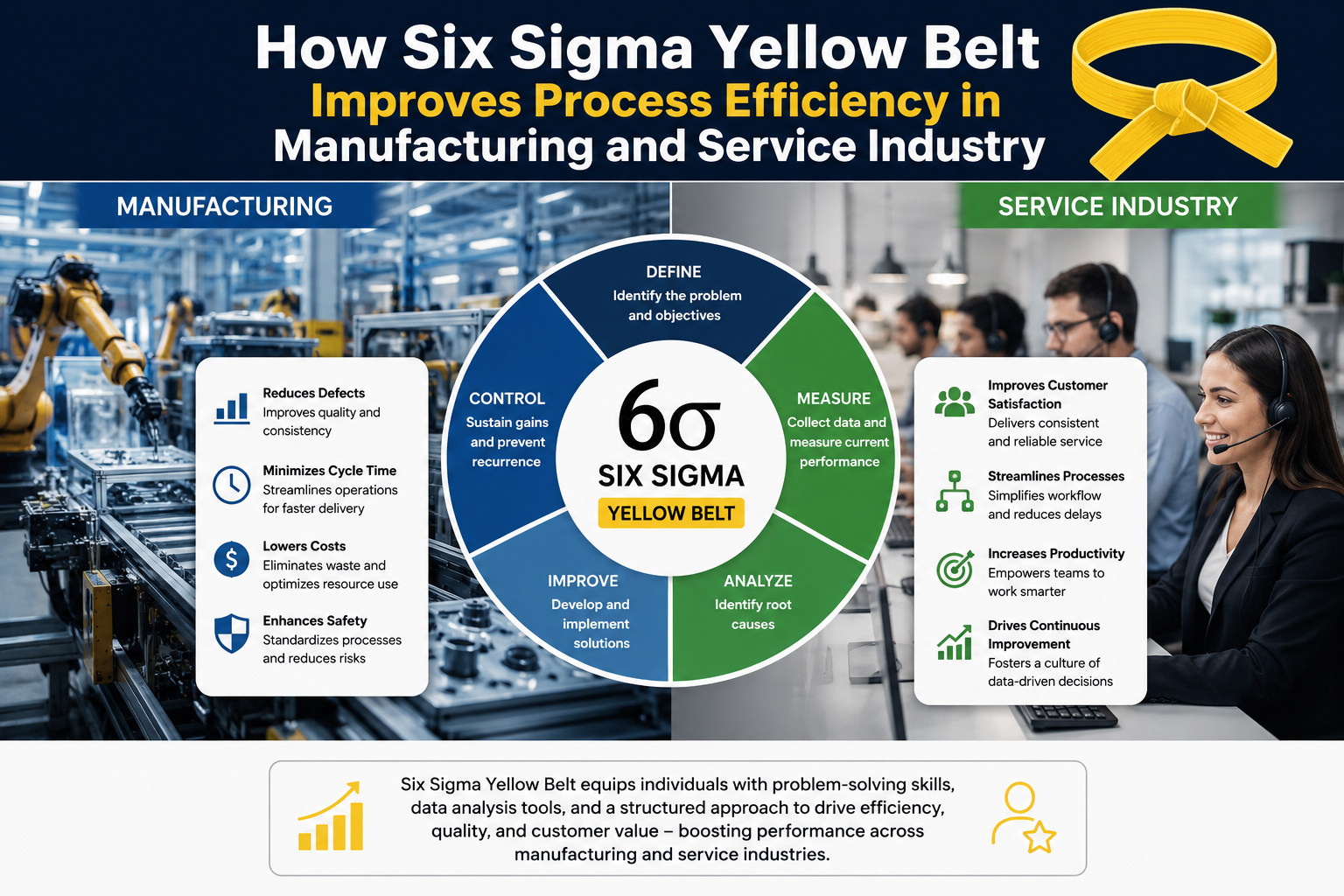
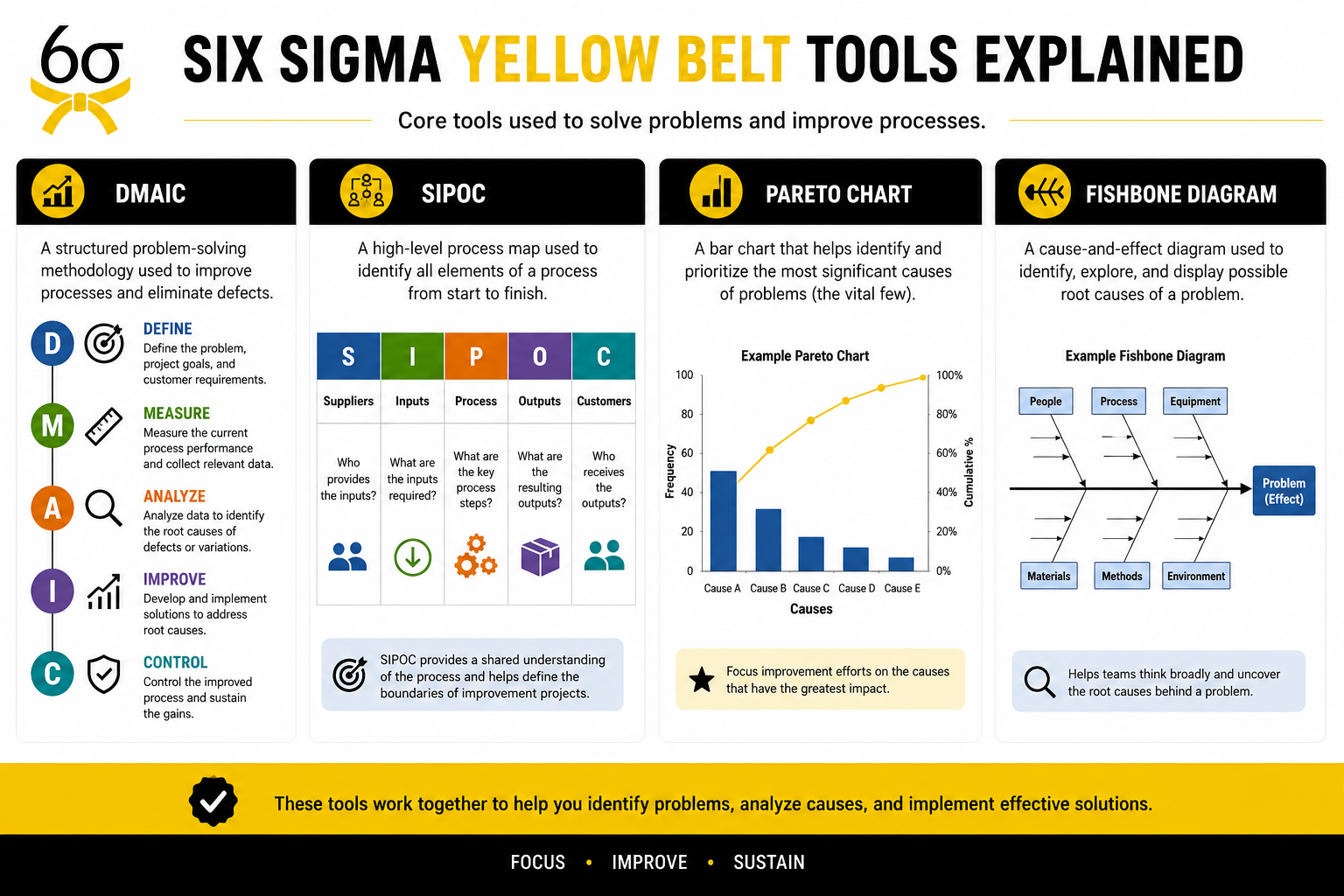
Before delving deeper into Green Belt certification, it’s essential to understand what Six Sigma and Lean Six Sigma entail. Six Sigma is a data-driven approach aimed at reducing defects and improving processes. It follows a structured methodology known as DMAIC (Define, Measure, Analyze, Improve, Control). On the other hand, Lean Six Sigma combines the principles of Lean manufacturing, which focuses on waste reduction, with Six Sigma's goal of improving quality. Together, they form a powerful toolkit for organizations aiming to enhance performance.
Roles of a Six Sigma Green Belt
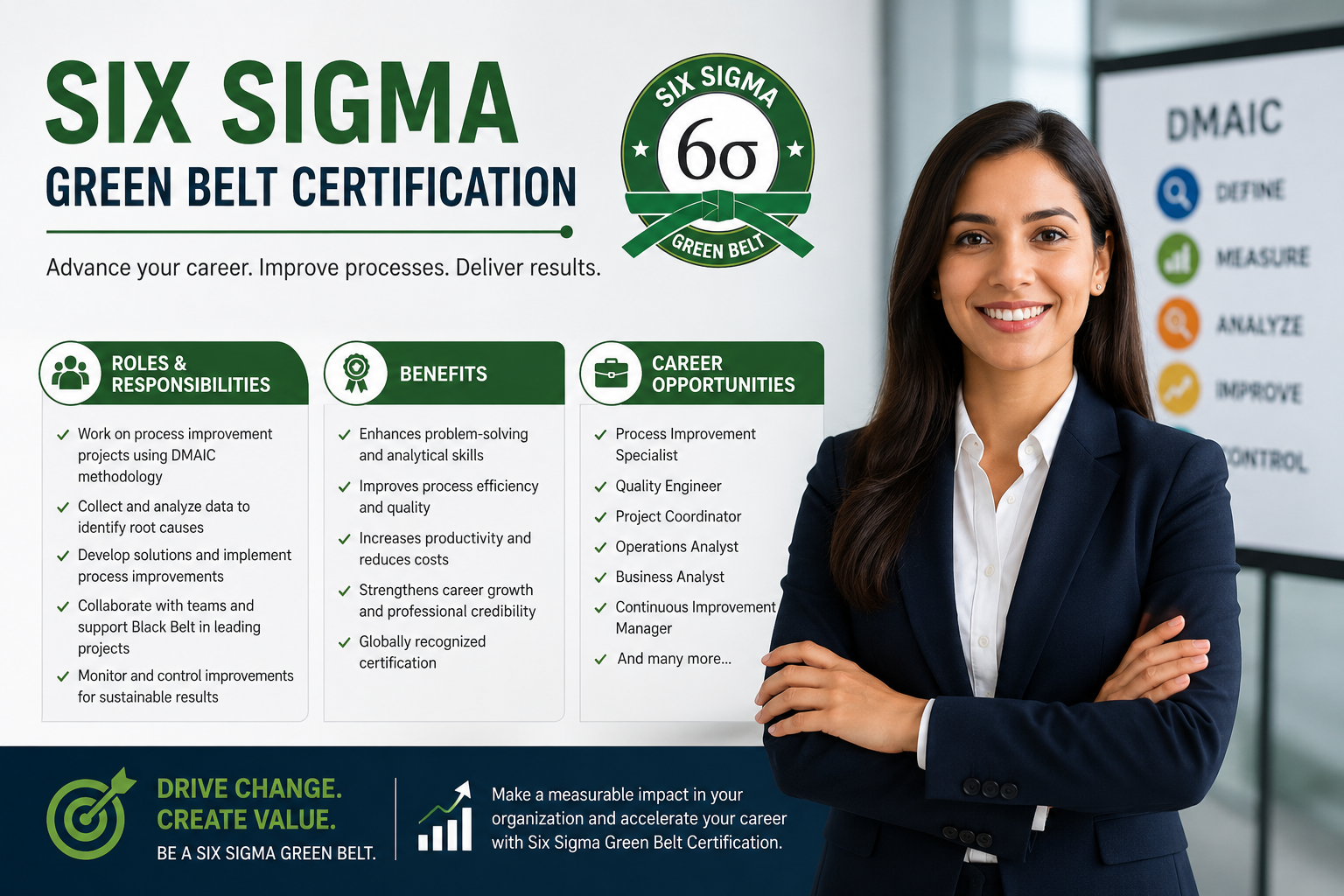
A certified Green Belt professional plays various crucial roles within an organization. Here are some of the primary responsibilities:
1. Project Management
Green Belts are often tasked with managing projects that require process improvement. They lead teams, set project goals, and ensure that the project stays on track.
2. Data Analysis
Green Belts utilize statistical tools to collect and analyze data, helping to identify root causes of problems and areas for improvement.
3. Cross-Functional Collaboration
Working collaboratively with different departments is vital. Green Belts often liaise between teams to ensure that everyone is aligned and working towards common goals.
4. Training and Mentoring
Experienced Green Belts may also take on the role of trainers or mentors, guiding new team members on Six Sigma principles and practices.
5. Implementation of Solutions
Once data has been analyzed, Green Belts are responsible for implementing solutions and monitoring their effectiveness over time.
Benefits of Six Sigma Green Belt Certification
Obtaining a Green Belt certification comes with numerous advantages that can significantly impact your career trajectory. Here are some of the key benefits:
1. Enhanced Skill Set
With Six Sigma Green Belt training, professionals acquire a robust set of analytical and problem-solving skills, which are highly valued in various industries.
2. Increased Job Opportunities
Many organizations in India and globally prefer candidates with Six Sigma certifications, leading to a higher chance of being hired or promoted.
3. Higher Earning Potential
Certified professionals often command higher salaries compared to their non-certified counterparts, making Green Belt certification a lucrative investment.
4. Contribution to Organizational Success
By implementing effective process improvements, Green Belts play a crucial role in enhancing overall business performance, which can lead to job stability and advancement.
5. Networking Opportunities
Joining the Six Sigma community allows professionals to network with like-minded individuals, share knowledge, and learn from industry leaders.
Career Opportunities for Six Sigma Green Belt Certified Professionals
The demand for Six Sigma professionals is on the rise, and Green Belt certification opens up a plethora of career opportunities across various sectors. Here are some potential career paths:
1. Process Improvement Specialist
These specialists focus on analyzing and improving business processes. They work closely with teams to implement strategies for increased efficiency.
2. Quality Assurance Manager
Quality assurance managers play a vital role in ensuring that products and services meet predefined quality standards. Six Sigma principles guide their approach to quality control.
3. Operations Manager
Operations managers oversee day-to-day operations and implement process improvements to enhance productivity and reduce costs.
4. Project Manager
Many organizations seek professionals with a Six Sigma background to lead projects focused on quality improvement and process optimization.
5. Business Analyst
Business analysts utilize their analytical skills to assess business needs and recommend solutions, often using Six Sigma methodologies.
How to Obtain Six Sigma Green Belt Certification
Gaining Six Sigma Green Belt certification involves several steps:
1. Choose a Reputable Training Provider
Select a recognized institution or training provider that offers comprehensive Six Sigma Green Belt training. Look for providers that offer online and offline options, catering to your learning preferences.
2. Complete the Training Program
Engage in the training course, which typically covers Six Sigma principles, tools, and techniques necessary for effective process improvement.
3. Gain Practical Experience
Real-world experience is crucial. Many training programs require candidates to complete a project demonstrating their ability to apply Six Sigma methodologies.
4. Pass the Certification Exam
After completing the training, candidates must pass a certification exam. This assessment evaluates the knowledge and skills acquired during the training process.
5. Maintain Certification
Some organizations require ongoing education or re-certification to ensure that professionals stay updated with the latest practices and technologies.
FAQs
1. What is the duration of Six Sigma Green Belt training?
The duration of Six Sigma Green Belt training can vary, but it typically lasts between 2 to 5 days, depending on the provider and the course format.
2. Is Six Sigma Green Belt certification recognized globally?
Yes, Six Sigma Green Belt certification is recognized worldwide and is highly valued in various industries, including manufacturing, healthcare, IT, and finance.
3. Can I pursue Six Sigma Green Belt certification online?
Absolutely! Many reputable institutions offer online Six Sigma Green Belt training programs, allowing you to study at your own pace and convenience.
4. Are there any prerequisites for Six Sigma Green Belt certification?
Generally, there are no formal prerequisites for Six Sigma Green Belt certification. However, familiarity with basic statistics and process management can be beneficial.
5. How much can I expect to earn with Six Sigma Green Belt certification?
Salary can vary based on experience, industry, and location, but Six Sigma Green Belt certified professionals in India typically earn between INR 6 lakh to INR 12 lakh per annum.
Conclusion
In conclusion, obtaining a Six Sigma Green Belt Certification is a valuable step for professionals looking to advance their careers and contribute significantly to their organizations. The certification not only equips individuals with essential process improvement skills but also opens doors to numerous career opportunities in a variety of sectors. Whether you are looking to enhance your skill set, increase your earning potential, or drive organizational success, pursuing Six Sigma Green Belt training is a decision that can yield significant rewards.
Are you ready to take the next step in your career? Invest in your future today by enrolling in a Six Sigma Green Belt training program! Explore various options available and start your journey towards becoming a process improvement leader.