

If you're contemplating a career in quality management, Six Sigma is an excellent pathway to explore. This methodology not only enhances operational efficiency but also opens up a plethora of job opportunities across various industries. In this blog, we will delve into the career prospects related to Six Sigma, including salaries, job roles, and growth potential after obtaining your Six Sigma certification.
Understanding Six Sigma and Its Importance
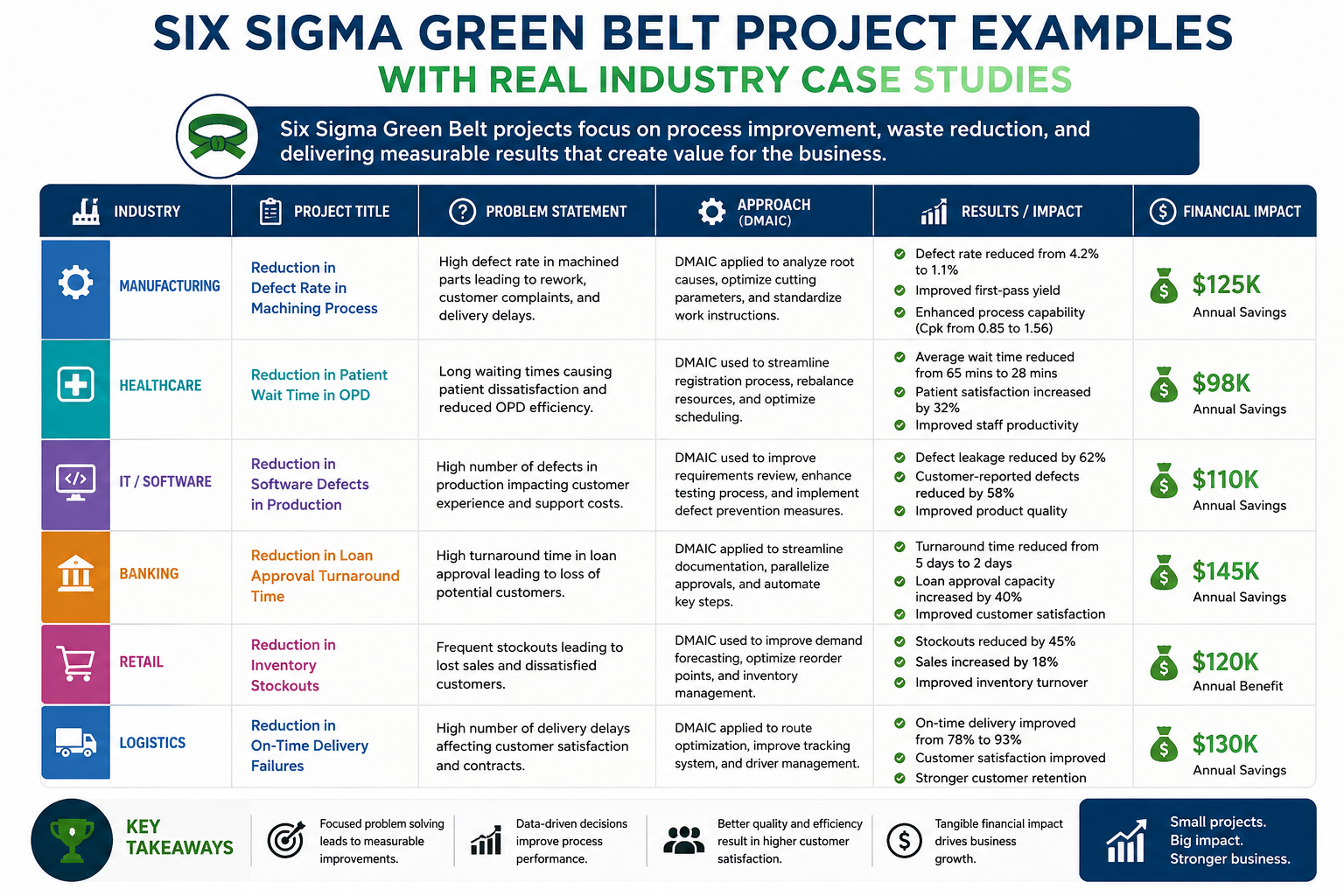
Six Sigma is a data-driven approach aimed at eliminating defects and improving processes. Originating from manufacturing, its principles are now applied across sectors such as healthcare, finance, and IT. The relevance of Six Sigma in today's competitive market cannot be overstated; companies are increasingly seeking professionals skilled in Six Sigma methodologies to drive operational excellence.
Why Get Certified in Six Sigma?
Obtaining a Six Sigma certification is a significant step towards enhancing your career prospects. It not only validates your expertise in process improvement but also makes you a valuable asset to employers. With a certification, you can stand out in the crowded job market, especially in India, where the demand for Six Sigma professionals is on the rise.
Types of Six Sigma Certification
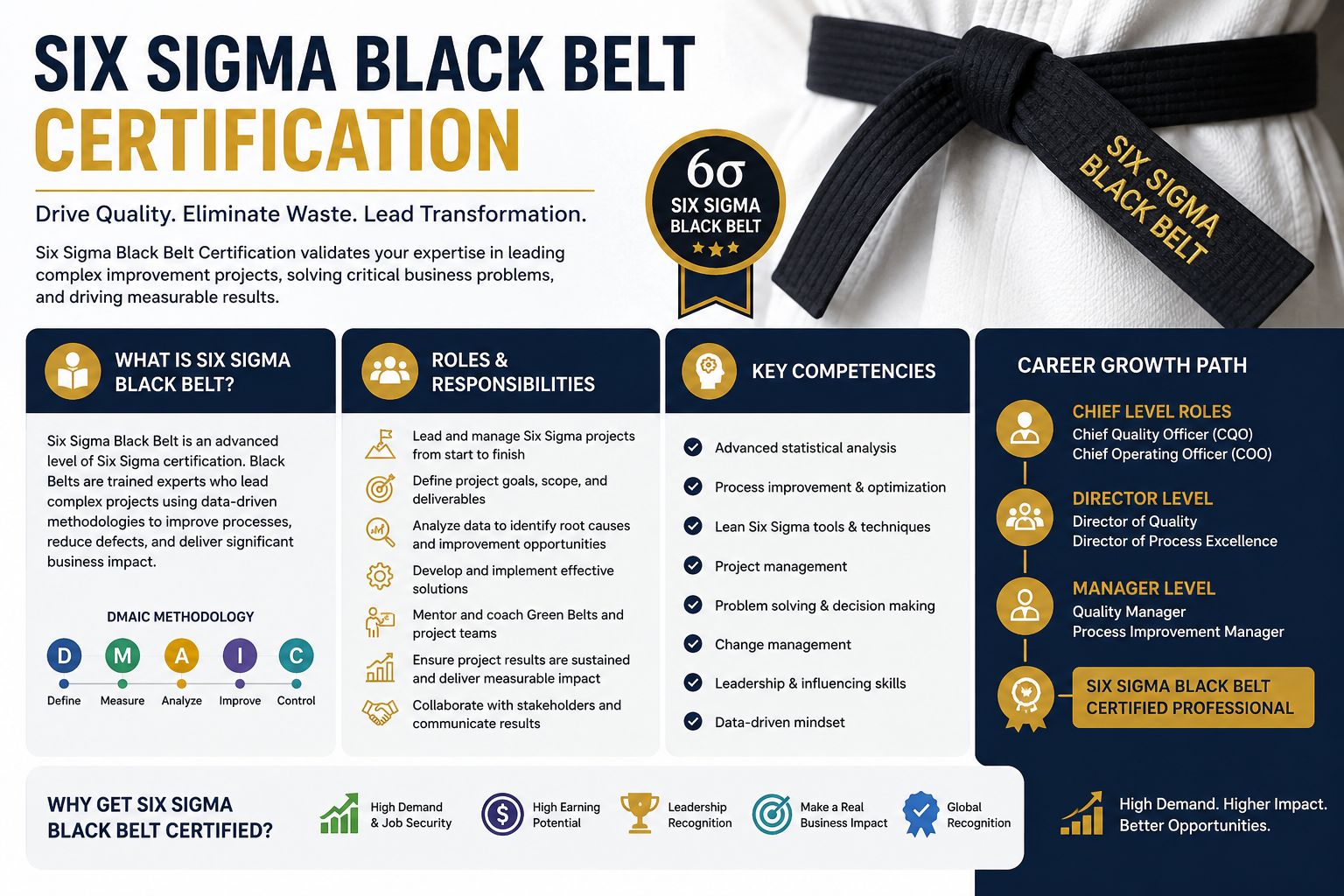
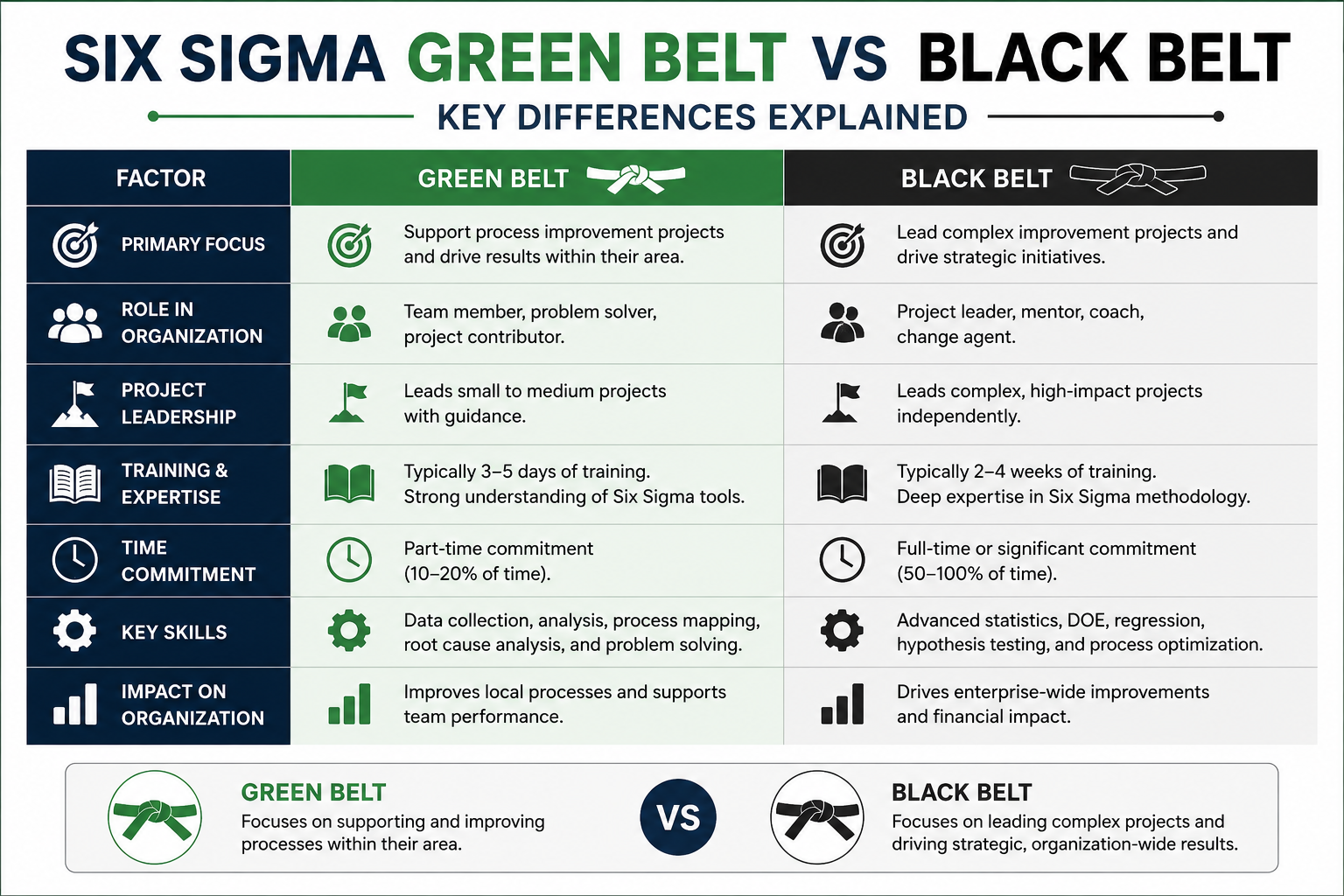
There are several levels of Six Sigma certification, including:
Six Sigma Jobs in India
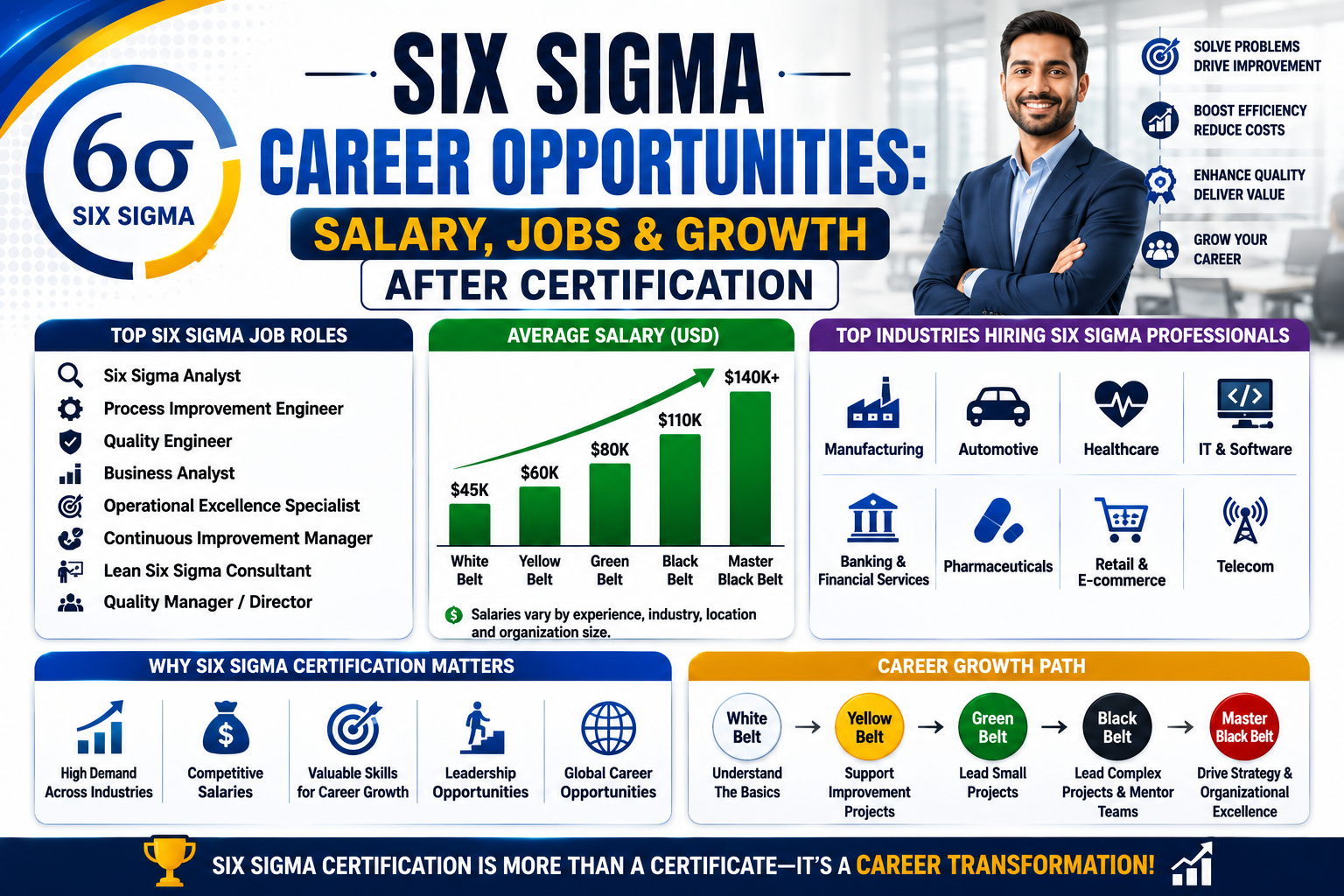
The job market for Six Sigma professionals in India is expanding rapidly. Here are some of the common job roles associated with Six Sigma:
1. Six Sigma Consultant
As a consultant, you will work with organizations to implement Six Sigma methodologies, conduct training sessions, and guide teams through process improvement projects.
2. Quality Manager
A Quality Manager oversees quality assurance processes and ensures compliance with Six Sigma standards. They play a critical role in maintaining product quality and enhancing operational efficiency.
3. Process Improvement Specialist
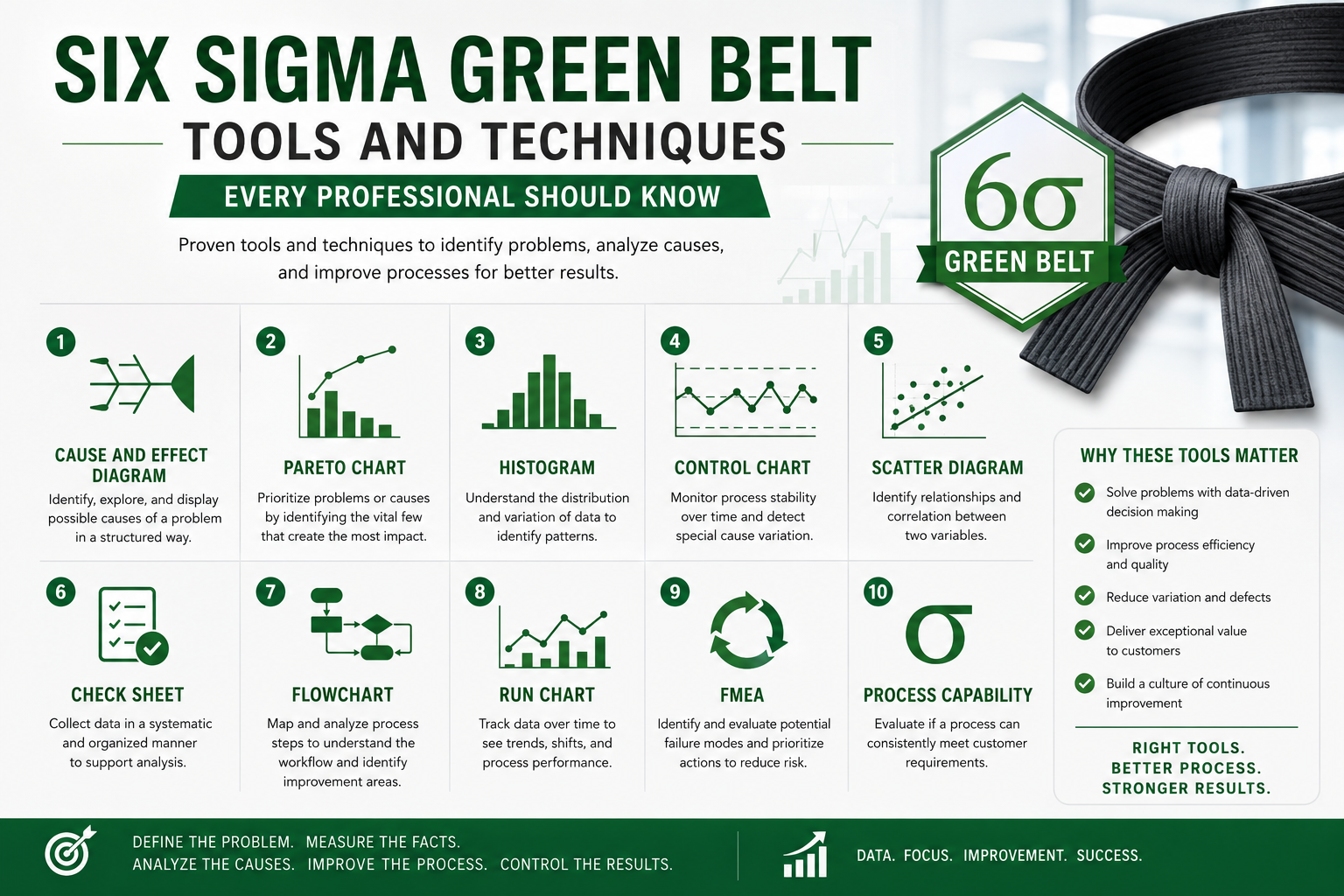
This role focuses on identifying areas for improvement within various processes. Utilizing Six Sigma tools, you will analyze data and recommend strategies to enhance productivity.
4. Project Manager
Many project management roles require Six Sigma certification. You will be responsible for managing projects that aim to improve business processes while adhering to Six Sigma principles.
5. Data Analyst
Data Analysts with Six Sigma certification can effectively analyze business data to identify trends, inefficiencies, and areas for improvement, making them crucial for data-driven decision-making.
Six Sigma Salary in India
The salary for Six Sigma professionals varies widely based on experience, job role, and industry. Here's a general breakdown:
As you gain experience and expertise in Six Sigma methodologies, your salary can increase significantly, especially if you take on leadership roles or specialize further in certain industries.
Growth Potential After Six Sigma Certification
The growth potential after obtaining a Six Sigma certification is immense. Here are a few factors contributing to this growth:
1. Increased Job Opportunities
The demand for Six Sigma professionals is soaring, especially in sectors such as manufacturing, healthcare, finance, and IT. Companies are increasingly recognizing the need for efficient processes and quality management, leading to a surge in job openings.
2. Versatile Skill Set
Six Sigma training equips you with a versatile skill set applicable across various industries. Whether you are in manufacturing or healthcare, the ability to analyze data, solve problems, and lead projects is highly sought after.
3. Career Advancement
With a Six Sigma certification, you position yourself for career advancement. Many organizations prefer to promote from within, and having a Six Sigma certification often places you in a favorable position for leadership roles.
4. Networking Opportunities
Being part of the Six Sigma community allows you to connect with like-minded professionals, attend workshops, and continuously learn from industry experts. This networking can lead to job opportunities and collaborations that further your career.
Frequently Asked Questions (FAQs)
1. What industries value Six Sigma certification?
Six Sigma certification is valued across various sectors, including manufacturing, healthcare, finance, IT, and logistics. Companies in these industries seek professionals who can improve processes and enhance quality.
2. How long does it take to get Six Sigma certified?
The duration for Six Sigma certification varies depending on the level. Generally, White and Yellow Belt certifications can be completed in a few days, while Green Belt and Black Belt certifications may take several weeks to months.
3. Is Six Sigma certification worth it in India?
Absolutely! With the growing demand for quality management professionals, Six Sigma certification can significantly enhance your employability and salary prospects in India.
4. Can I pursue Six Sigma certification online?
Yes, many reputable institutions offer online Six Sigma certification courses. This flexibility allows you to study at your own pace while balancing other commitments.
Conclusion
Embarking on a Six Sigma career not only opens the door to numerous job opportunities but also offers a promising salary and growth trajectory. As industries continue to emphasize quality and efficiency, the demand for certified Six Sigma professionals will only increase. So, if you're ready to enhance your career prospects, consider obtaining a Six Sigma certification today!
Ready to take the next step in your career? Enroll in a Six Sigma certification course today and unlock a world of opportunities!