

In today’s competitive business landscape, organizations are constantly striving for excellence—whether that's improving processes, reducing waste, or enhancing quality. One of the most recognized methodologies for achieving these goals is Six Sigma. If you're considering advancing your career or improving your organization's processes, understanding Six Sigma certification is crucial. This guide will provide you with all the information you need about Six Sigma certification, including its benefits, methodologies, and how to get certified, especially for an Indian audience in 2026.
What is Six Sigma?
Six Sigma is a data-driven methodology that aims to improve business processes by minimizing defects and variability. Originally developed by Motorola in the 1980s, it has since become a global standard for quality management. The core principle of Six Sigma is to use statistical tools and techniques to identify and eliminate causes of defects, thereby enhancing overall efficiency and quality.
Understanding Six Sigma Methodology
The Six Sigma methodology revolves around two main approaches: DMAIC and DMADV.
DMAIC
DMAIC stands for Define, Measure, Analyze, Improve, and Control. It is primarily used for improving existing processes. Here’s a breakdown of each phase:
DMADV
DMADV stands for Define, Measure, Analyze, Design, and Verify. This approach is used for creating new processes or products. It emphasizes designing quality into the process from the ground up.
Benefits of Six Sigma Certification
Acquiring a Six Sigma certification can be a game-changer for professionals. Here are some key benefits:
1. Enhanced Career Opportunities
With a Six Sigma certification, professionals stand out in the job market. Organizations value employees who can contribute to process improvement and cost reduction.
2. Improved Problem-Solving Skills
The training equips individuals with a structured approach to problem-solving, allowing them to tackle complex issues effectively.
3. Increased Earning Potential
On average, Six Sigma certified professionals earn significantly higher salaries compared to their non-certified peers. This certification can lead to promotions and raises.
4. Contribution to Organizational Success
Certified professionals play a crucial role in driving efficiency and quality within their organizations, leading to improved customer satisfaction and business success.
5. Networking Opportunities
Being part of the Six Sigma community opens up networking opportunities with like-minded professionals, providing avenues for knowledge exchange and career growth.
Types of Six Sigma Certifications
There are various levels of Six Sigma certification, ranging from beginner to advanced. Here are the primary levels:
1. Yellow Belt
The Yellow Belt certification is an entry-level certification that provides a basic understanding of Six Sigma principles and methodologies.
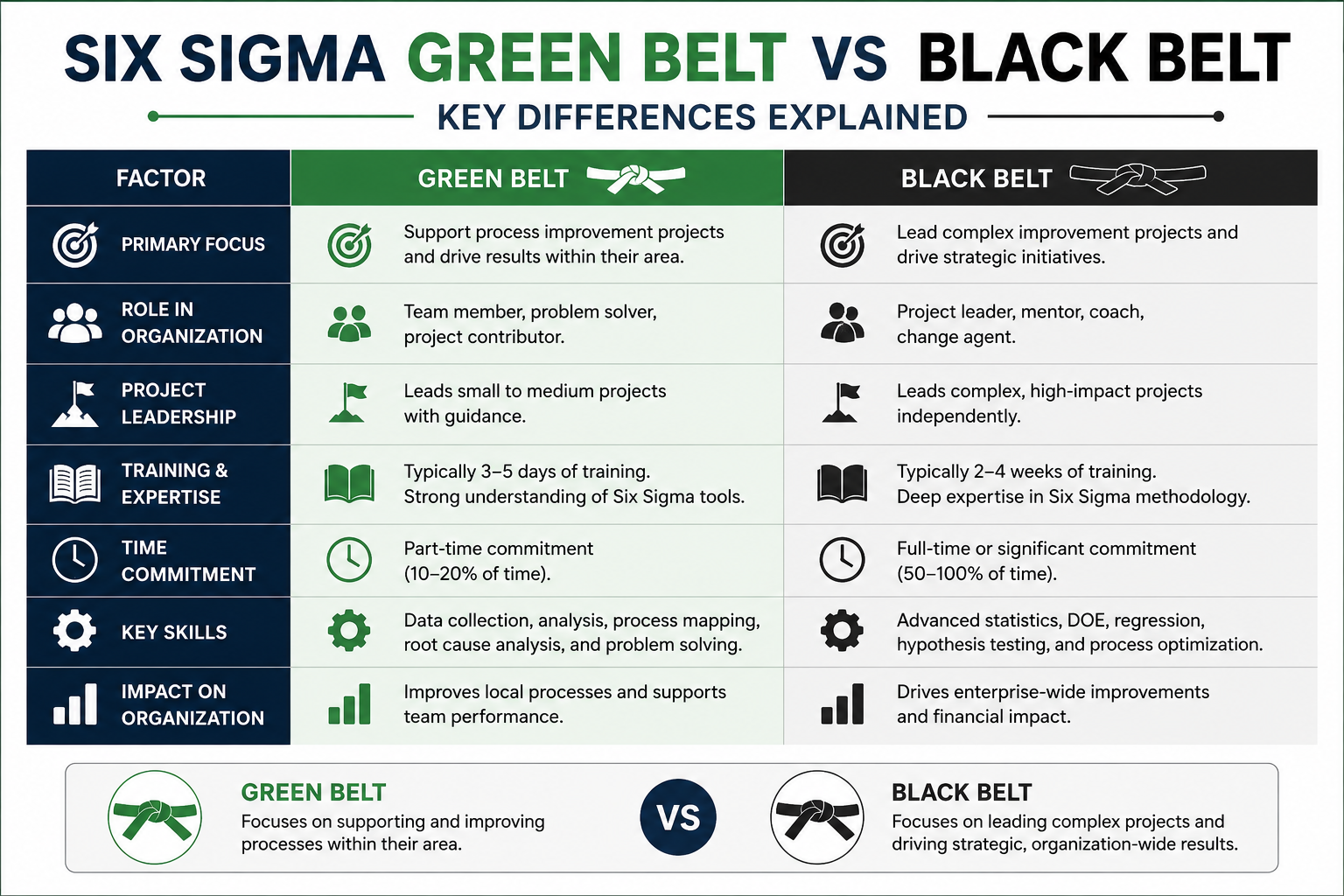
2. Green Belt
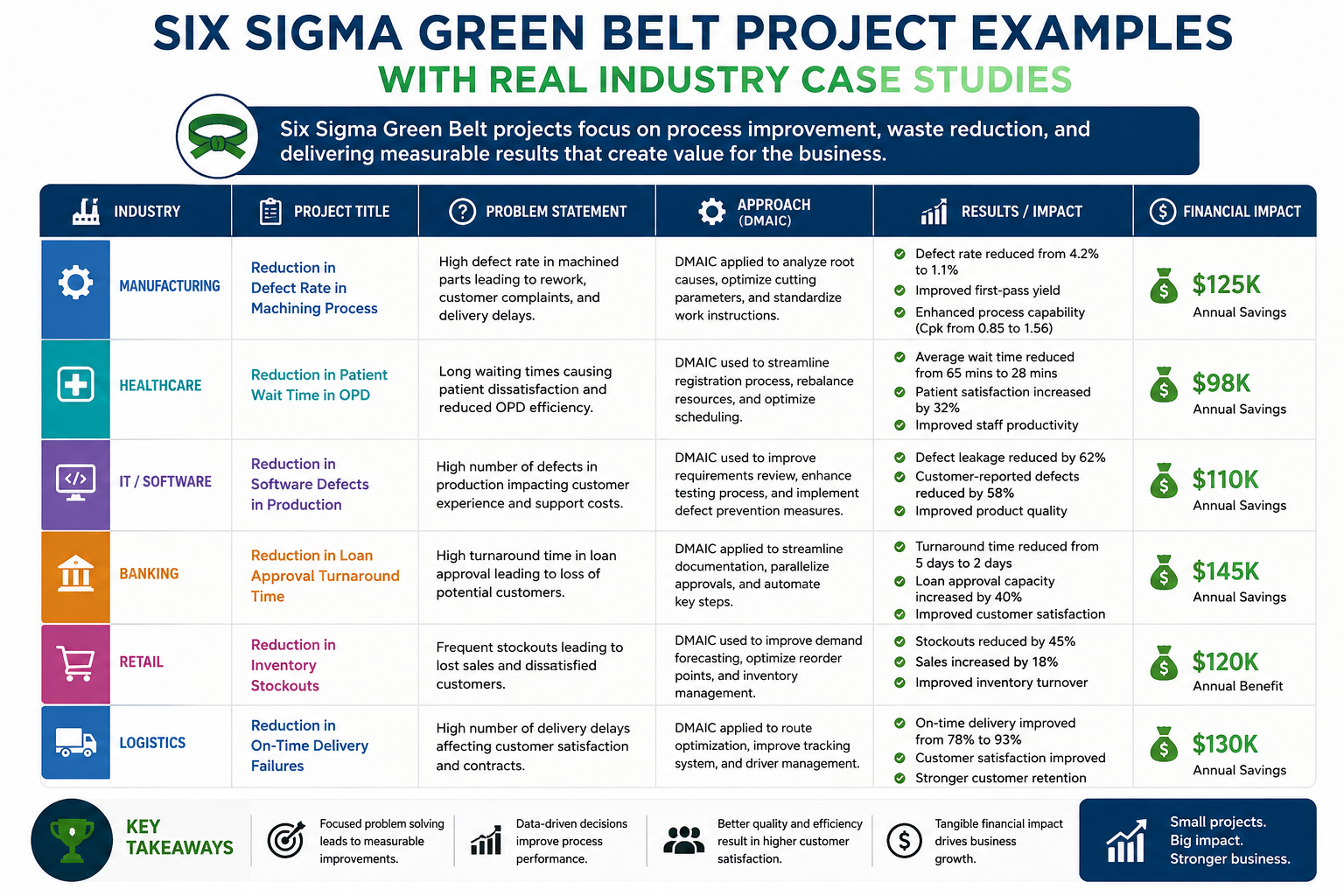
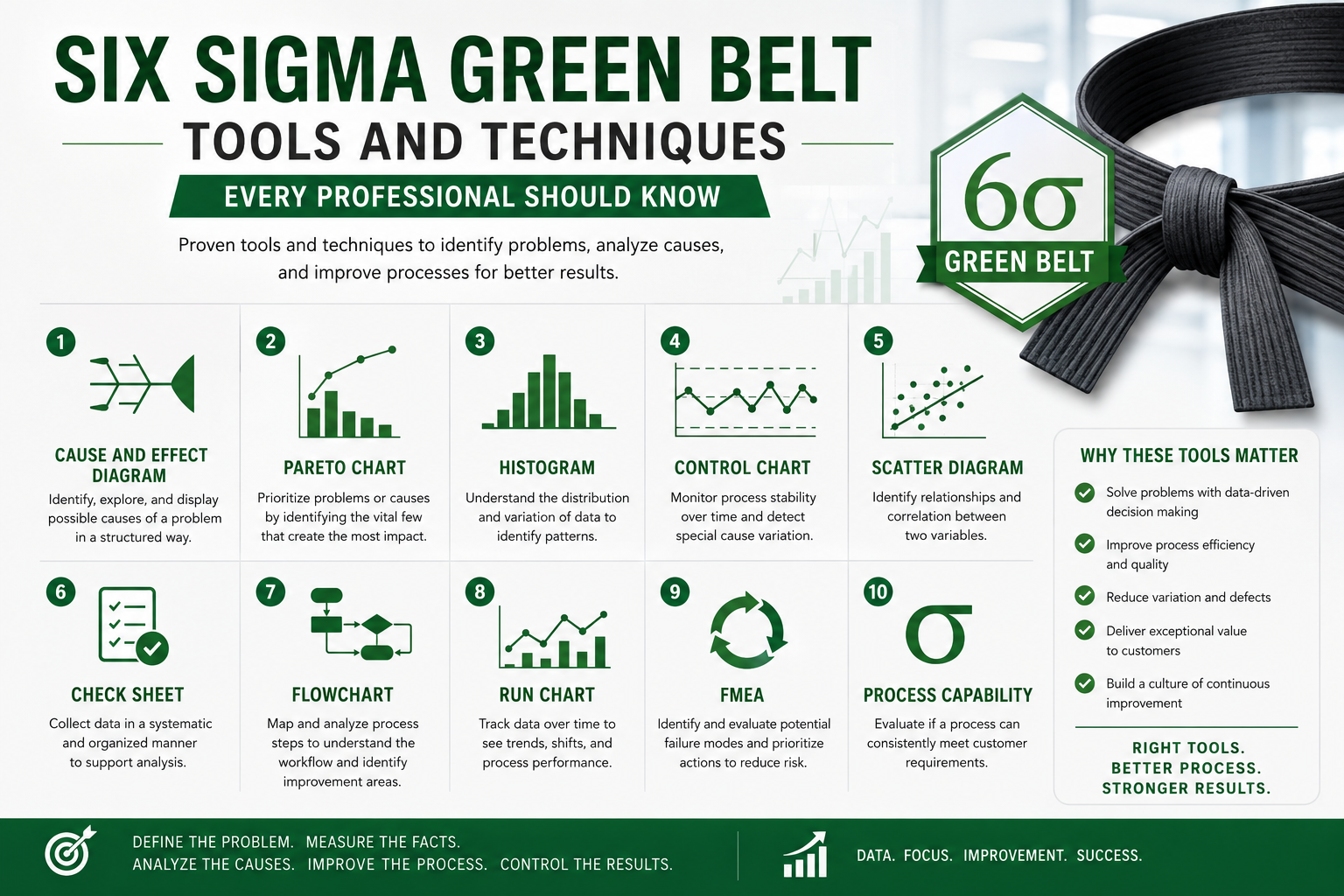
The Green Belt certification is for professionals who are involved in process improvement projects and assist Black Belts.
3. Black Belt
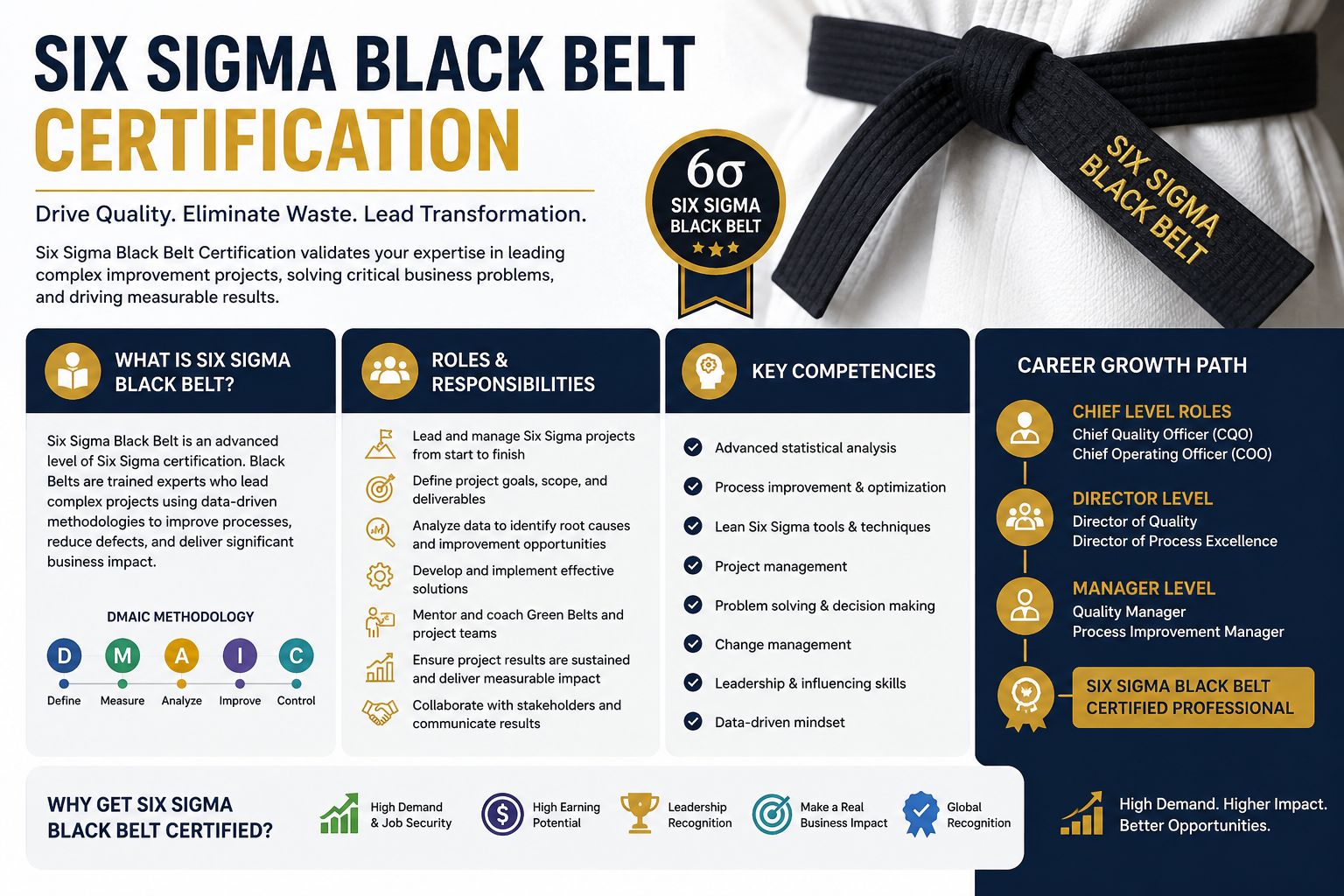
The Black Belt certification is for individuals who lead problem-solving projects and are responsible for training Green Belts.
4. Master Black Belt
The Master Black Belt certification is for experts who mentor Black and Green Belts and drive strategic Six Sigma initiatives in organizations.
How to Get Six Sigma Certified?
Obtaining Six Sigma certification involves several steps:
1. Choose Your Certification Level
Determine which certification level aligns with your career goals and current expertise.
2. Enroll in a Six Sigma Course
Look for online Six Sigma training certification programs that fit your schedule and budget. Many reputable organizations offer these courses, often including comprehensive materials and practical projects.
3. Study the Material
Dedicate time to study the course material thoroughly. Engage in discussions, ask questions, and participate in case studies to enhance your understanding.
4. Take the Certification Exam
Once you feel prepared, register for the certification exam. Ensure you meet the prerequisites defined by the certifying body.
5. Apply Your Skills
After obtaining your certification, seek opportunities to apply your skills in real-world projects, enhancing your experience and contributing to your organization.
Online Six Sigma Learning: The Future of Certification
In recent years, the landscape of education has shifted dramatically towards online platforms. Online Six Sigma learning offers flexibility, accessibility, and a wide range of resources. Here are some advantages of pursuing Six Sigma certification online:
1. Flexibility
Online courses allow you to learn at your own pace, fitting your studies around your work and personal commitments.
2. Access to Resources
Many online courses provide exclusive resources, including video lectures, quizzes, and interactive forums, which enhance the learning experience.
3. Cost-Effectiveness
Online courses often come at a lower cost compared to traditional classroom training, making Six Sigma certification more accessible to a wider audience.
Frequently Asked Questions (FAQs)
1. Is Six Sigma certification worth it?
Yes, Six Sigma certification is highly regarded and can significantly enhance your career opportunities, earning potential, and problem-solving skills.
2. How long does it take to get Six Sigma certified?
The duration varies based on the certification level and the course format—typically ranging from a few weeks to several months.
3. Can I study Six Sigma online?
Absolutely! There are numerous platforms offering online Six Sigma training certification that cater to different learning styles and schedules.
4. What is the cost of Six Sigma certification in India?
The cost can vary widely depending on the certification level and training provider, typically ranging from INR 10,000 to INR 50,000.
Conclusion
In conclusion, obtaining a Six Sigma certification can be a valuable investment in your career. With its focus on quality and efficiency, Six Sigma methodology equips professionals with the skills needed to drive significant improvements in their organizations. Whether you choose to pursue online Six Sigma training certification or traditional courses, the benefits are undeniable. Start your journey today, and unlock a world of opportunities!
Call to Action
Ready to take the next step in your career? Explore our comprehensive Six Sigma courses available online. Join our community of aspiring professionals and start your Six Sigma journey today!