
What is Six Sigma Yellow Belt Certification? Roles, Benefits & Career Scope
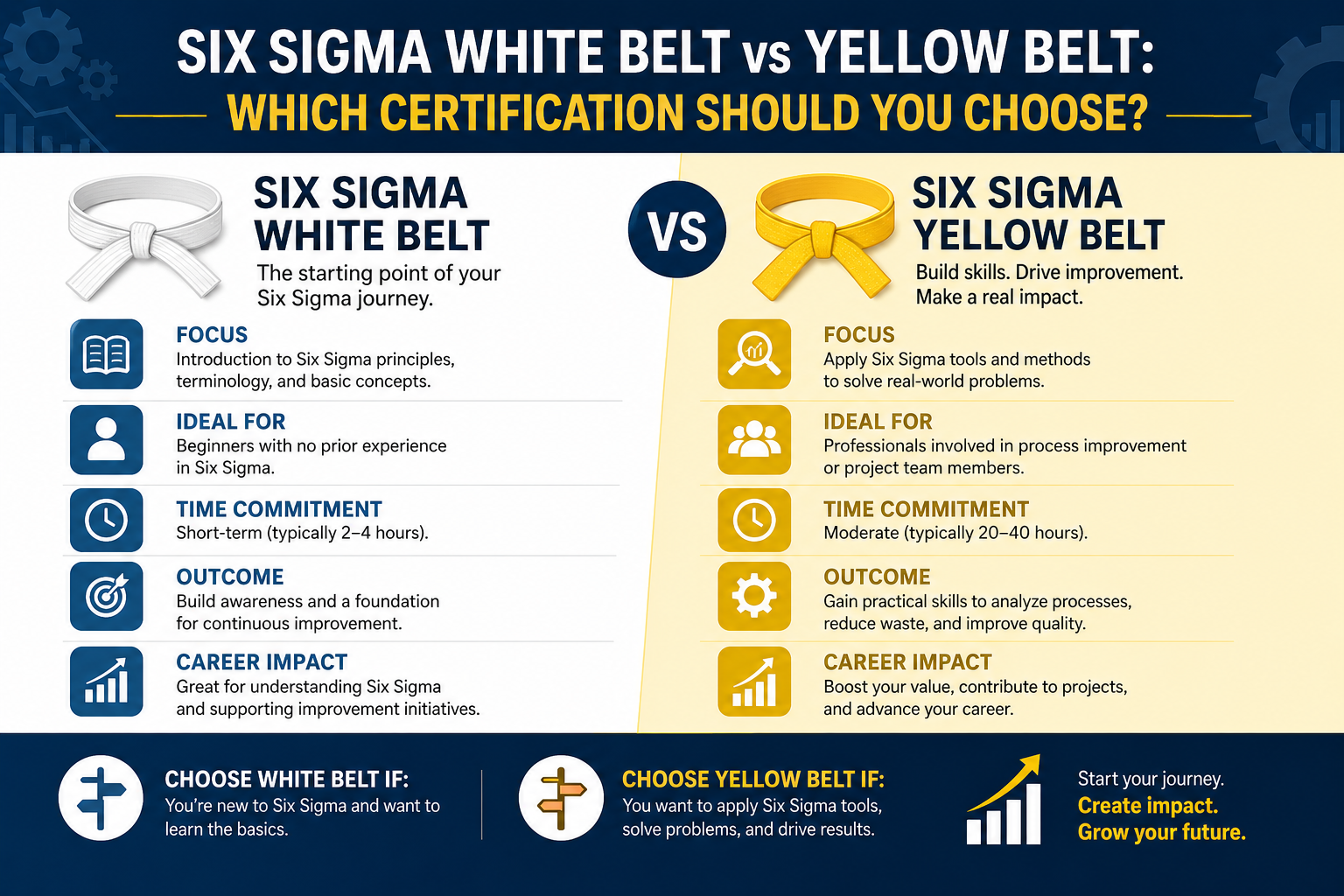
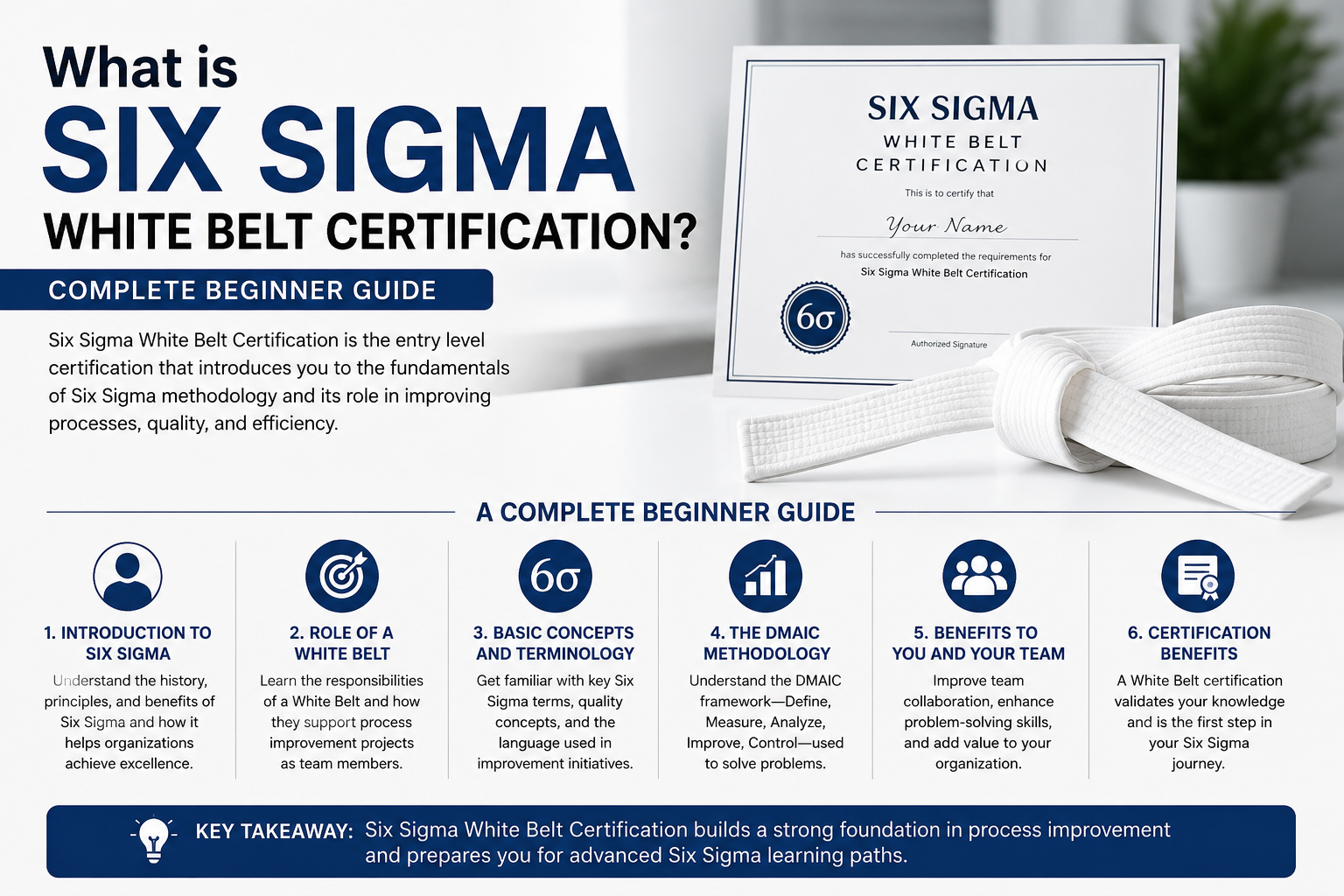
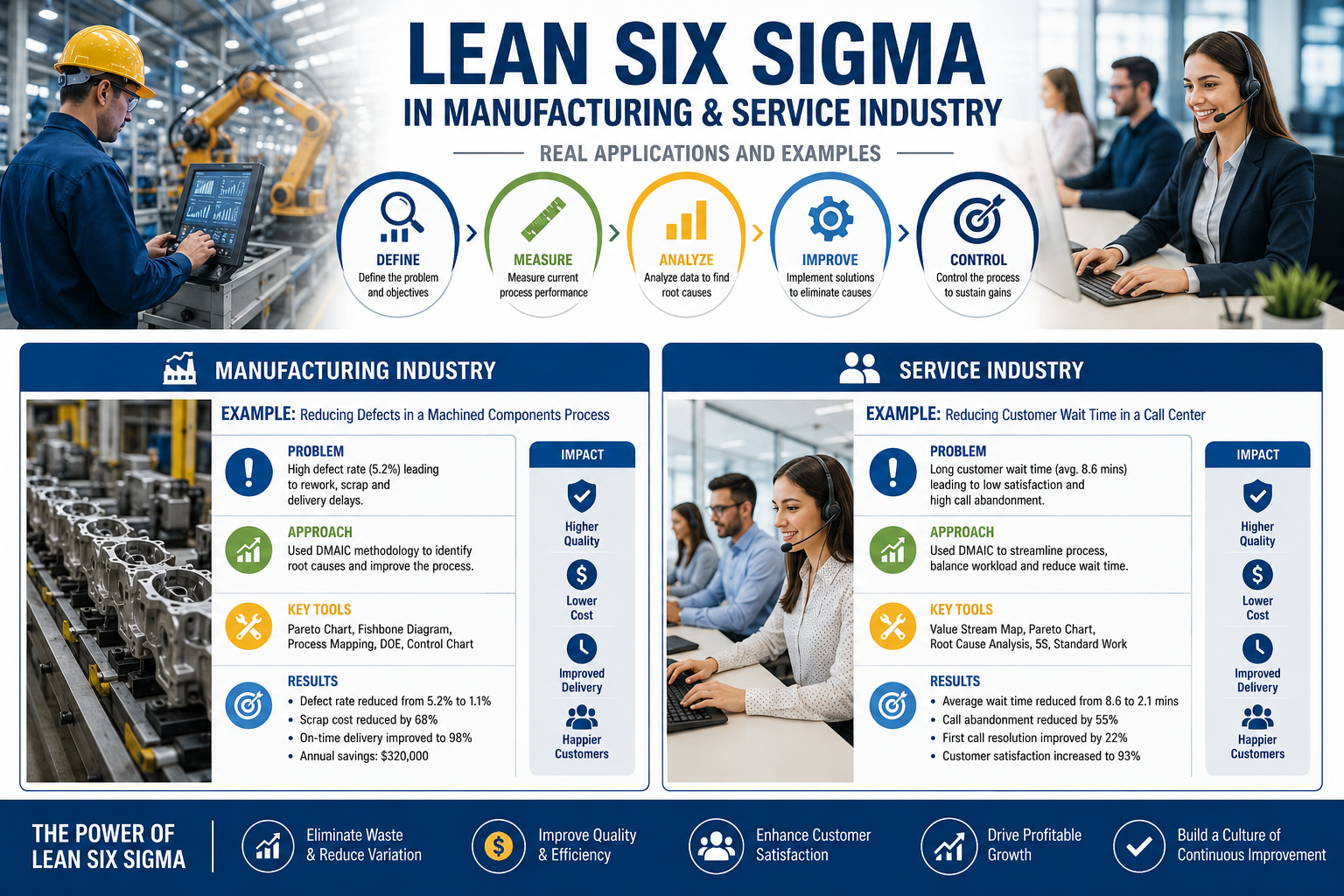
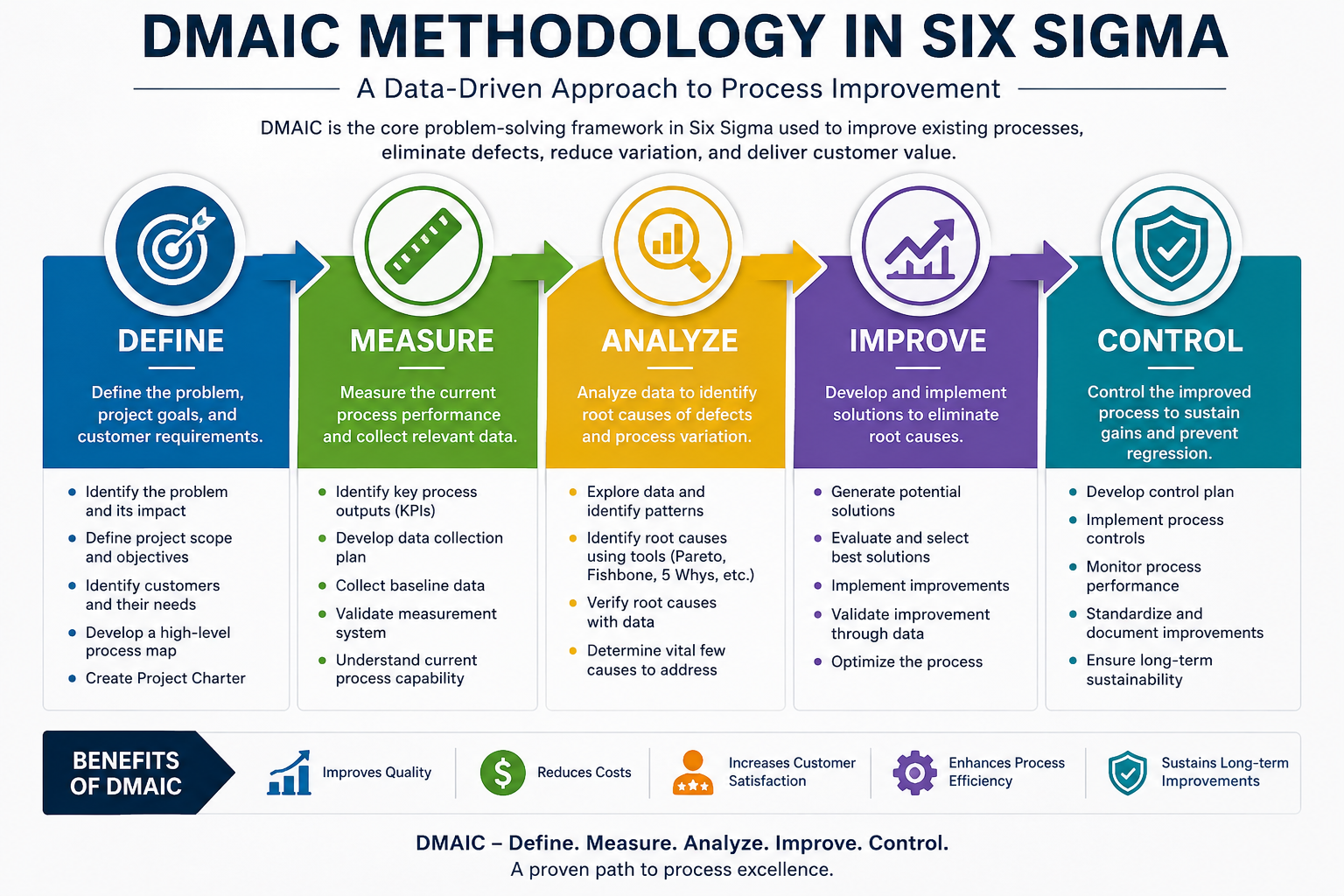
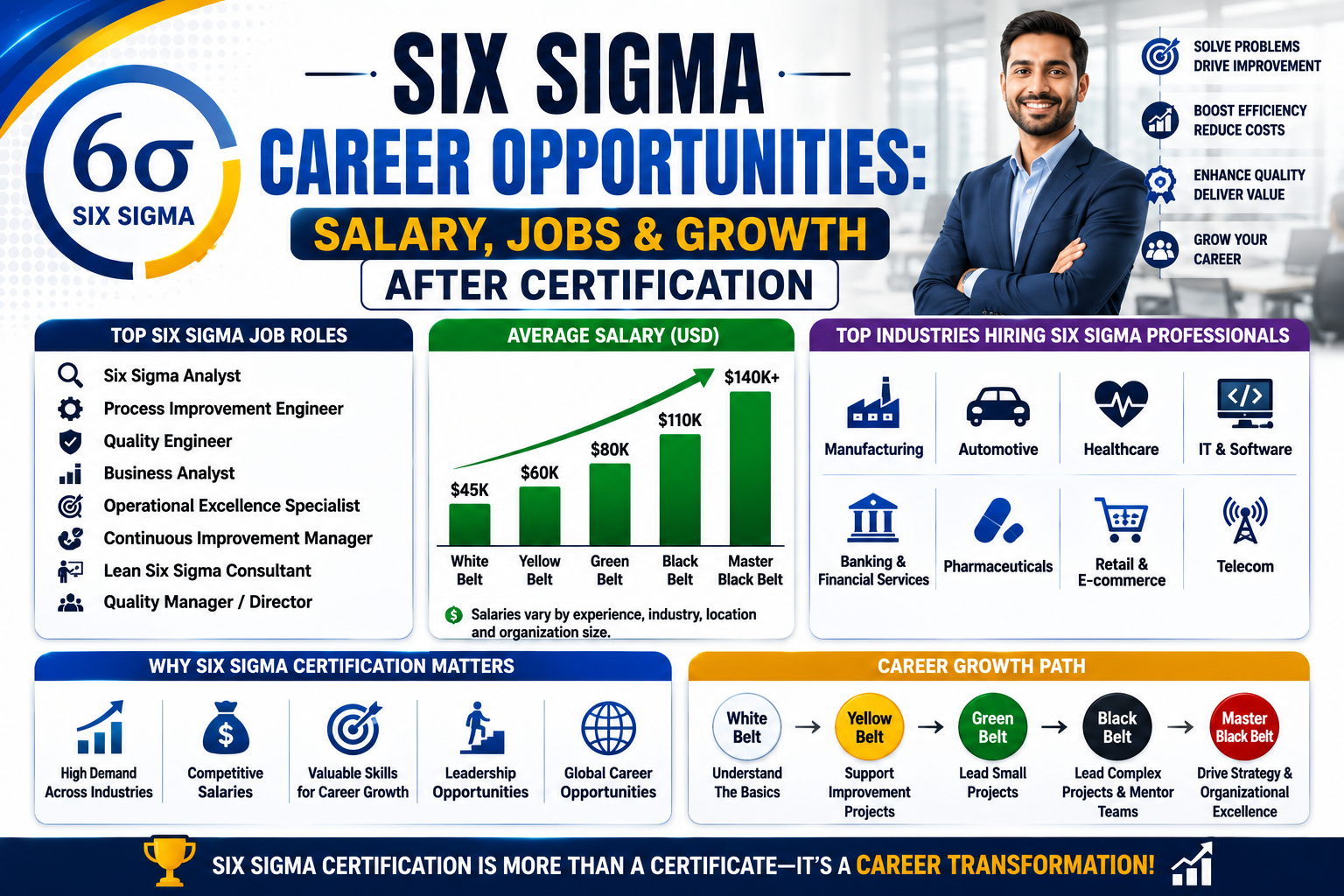
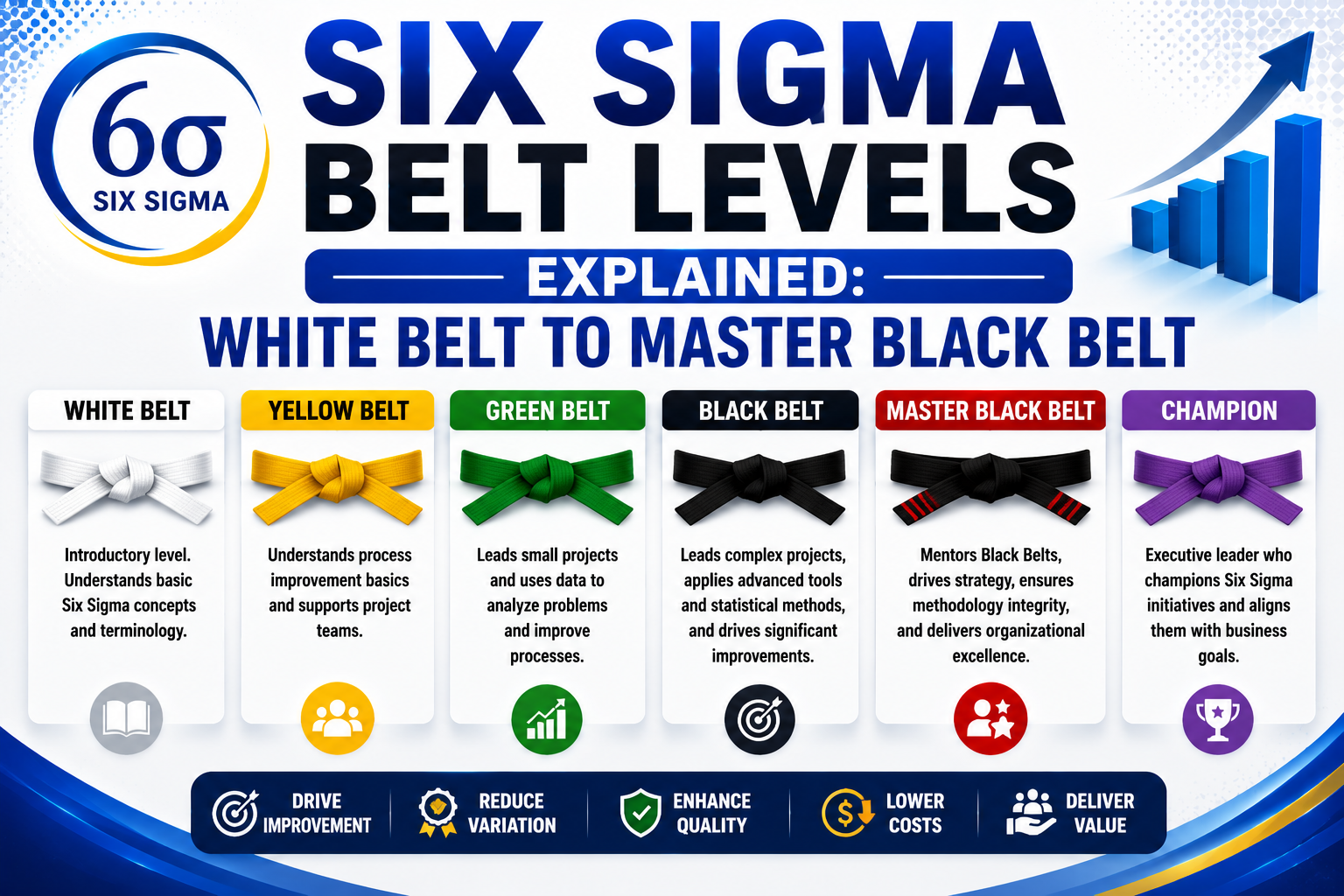
In today’s fast-paced business environment, organizations are constantly striving for efficiency and excellence. One of the methodologies that have gained immense popularity in recent years is Six Sigma. Among the various levels of this methodology, the Six Sigma Yellow Belt Certification stands out as a foundational stepping stone for professionals looking to enhance their skills in process improvement. In this blog, we will delve into what exactly Six Sigma Yellow Belt certification entails, the roles associated with it, its benefits, and the career scope it offers, especially in the Indian context. What is Six Sigma Yellow Belt? The Six Sigma Yellow Belt represents the first level of certification in the Six Sigma hierarchy. It is designed for individuals who want to gain a foundational understanding of Six Sigma principles, tools, and techniques. Yellow Belts typically work on small-scale projects or support project teams led by Green or Black Belts. They play a crucial role in identifying problems and finding solutions by utilizing the Six Sigma methodology. Understanding Six Sigma Methodology Six Sigma is a data-driven approach that aims to eliminate defects and improve processes in organizations. It uses a set of quality management techniques and tools, which are organized into five key phases: Define, Measure, Analyze, Improve, and Control (DMAIC). The Yellow Belt certification provides professionals with the knowledge necessary to participate in and contribute to these projects effectively. Roles and Responsibilities of a Six Sigma Yellow Belt Individuals with a Yellow Belt certification play a supportive yet crucial role in Six Sigma projects. Their primary responsibilities include: Benefits of Six Sigma Yellow Belt Certification Obtaining a Six Sigma Yellow Belt certification comes with numerous benefits that can significantly enhance your career trajectory: 1. Enhanced Skill Set Yellow Belt training equips you with valuable skills in process improvement, data analysis, and project management. These skills are highly sought after in various industries, including manufacturing, healthcare, and IT. 2. Career Advancement Opportunities With a certification in hand, you open doors to various roles within your organization. Many companies prefer to promote employees who have formal training in Six Sigma methodologies, paving the way for career growth. 3. Contribution to Organizational Goals As a Yellow Belt, you play a vital role in helping your organization achieve its quality and efficiency goals. By contributing to process improvements, you not only enhance your skills but also make a measurable impact on your company's success. 4. Networking Opportunities Engaging in Six Sigma training often leads to connections with like-minded professionals and industry experts. This network can be invaluable for future collaborations and career advancements. 5. Increased Earning Potential Certification in Six Sigma can potentially lead to higher salaries. Employers recognize the value of skilled professionals who can drive efficiency and quality, and they are often willing to pay a premium for such expertise. Career Scope of Six Sigma Yellow Belt in India The demand for Six Sigma professionals, including those with a Yellow Belt certification, is on the rise in India. As organizations increasingly focus on quality improvement and operational excellence, the need for skilled professionals who can implement Six Sigma methodologies effectively has grown. Some of the industries that actively seek Six Sigma Yellow Belts include: How to Get Certified as a Six Sigma Yellow Belt? Obtaining a Yellow Belt certification typically involves the following steps: Frequently Asked Questions (FAQs) 1. What is the duration of Six Sigma Yellow Belt training? The duration can vary depending on the provider, but it generally ranges from a few days to a couple of weeks. 2. Is prior experience required to pursue Six Sigma Yellow Belt certification? No prior experience is typically required, making it accessible for beginners who want to start their journey in process improvement. 3. Can I pursue Six Sigma Yellow Belt certification online? Yes, many organizations offer online training and certification, allowing you to study at your own pace. 4. What is the cost of Six Sigma Yellow Belt certification in India? The cost can vary widely depending on the training provider, usually ranging from INR 10,000 to INR 30,000. 5. How long is the Six Sigma Yellow Belt certification valid? Unlike some certifications, Six Sigma Yellow Belt does not typically expire, but it's a good practice to stay updated with additional training and skills. Conclusion In summary, the Six Sigma Yellow Belt certification is an excellent choice for professionals looking to build a solid foundation in process improvement methodologies. With its numerous benefits, including enhanced skills, career advancement opportunities, and increased earning potential, this certification can undoubtedly boost your career in various industries, especially in India. Ready to take the first step towards your Six Sigma journey? Enroll in a Six Sigma Yellow Belt training program today and unlock new opportunities for your career! Call to Action: If you are interested in learning more about Six Sigma Yellow Belt certification or looking for training programs, feel free to contact us or visit our website for more information!